



Phone:
+86-15978414719
Publish Time: 2026-03-24 Origin:https://www.hmaluminumsupply.com
Top concern: surface quality and conductivity consistency. For many industrial orders, 1050 grade is selected not for strength, but for formability, corrosion resistance, reflectivity, and high aluminum purity. The sourcing risk is that visually acceptable material can still vary in flatness, temper stability, conductivity, and film-protected surface condition.
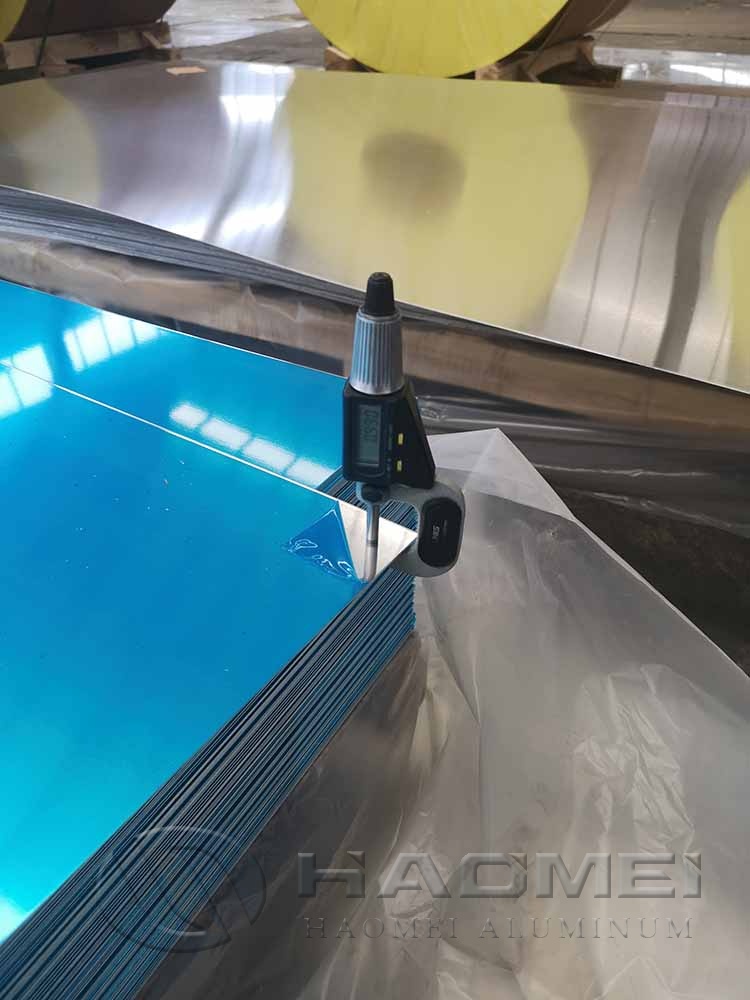
1050 is a commercially pure aluminum grade in the 1000 series. Under European designation, EN AW-1050A typically contains at least 99.5% aluminum. It is widely used for chemical equipment, reflectors, general fabrication, insulation cladding, signage, cookware, and electrical applications where high conductivity matters more than mechanical strength.
Common reference standards include:
ASTM B209 for aluminum and aluminum-alloy sheet and plate
EN 485 for wrought aluminum sheet, strip, and plate in Europe
ISO and mill-specific inspection practices for dimensions, flatness, and surface condition
RoHS and REACH checks when material is used in regulated downstream applications
Compared with 3003 or 5052, 1050 is softer and easier to form, but much lower in strength. If the end use needs deep drawing, decorative anodizing response, or thermal and electrical performance, 1050 can be a better fit.
The main advantage is purity. High aluminum content supports:
Strong corrosion resistance in many atmospheric environments
Excellent cold formability
High thermal conductivity
High electrical conductivity
Good reflectivity
Reliable anodizing appearance for many simple finishes
Typical published property ranges vary by temper and standard, so purchase contracts should always specify the exact standard, temper, and tolerance basis.
| Alloy | Aluminum content | Strength level | Formability | Corrosion resistance | Conductivity | Typical use |
|---|---|---|---|---|---|---|
| 1050 | ≥99.5% | Low | Excellent | Excellent | Very high | reflectors, chemical equipment, electrical parts |
| 1060 | ≥99.6% | Low | Excellent | Excellent | Very high | busbar-related use, signage, insulation |
| 1100 | ≥99.0% | Low to moderate | Excellent | Excellent | High | cookware, fin stock, general fabrication |
| 3003 | Al-Mn | Moderate | Very good | Very good | Lower | roofing, tanks, general industrial forming |
| 5052 | Al-Mg | Higher | Good | Excellent | Lower | marine, transport, structural panels |
For applications requiring tighter planeness or cosmetic control, processors often compare 1050 with products such as Ultra Flat Aluminum Sheet for 3C Electronic Products, although the alloy and end-use requirements may differ.
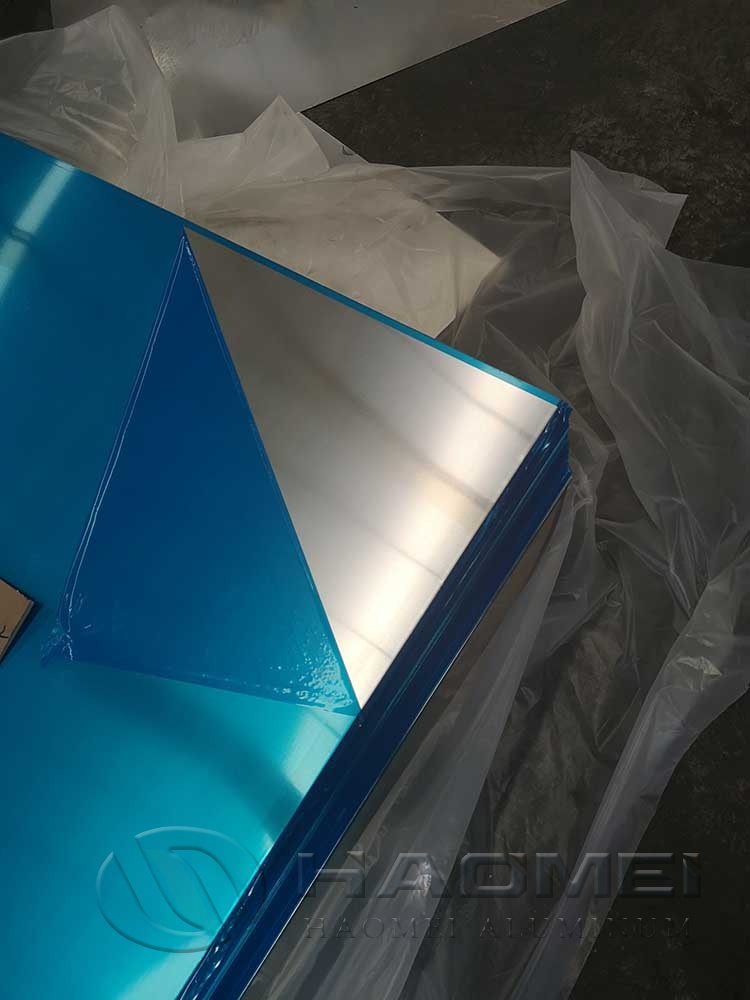
Short specifications reduce disputes. A complete purchase order should include:
Alloy designation: 1050 or EN AW-1050A
Standard: ASTM B209, EN 485, or agreed equivalent
Temper: O, H14, H24, H18, or custom processing route
Thickness, width, length
Thickness tolerance and flatness requirement
Surface: mill finish, bright finish, anodizing quality, PE film one side, paper interleave
Edge condition: mill edge or slit edge
Coil ID/OD if supplied as coil before cut-to-length
Packing: export seaworthy wood pallet, eye-to-sky or eye-to-wall for coil
Documentation: MTC, RoHS, REACH, origin, inspection record
| Temper | What it means | Suitable for |
|---|---|---|
| O | fully annealed, soft | deep drawing, spinning, complex forming |
| H14 | strain hardened half hard | general panels, moderate rigidity |
| H24 | strain hardened and partially annealed | balanced formability and stiffness |
| H18 | harder temper | applications needing higher hardness, less forming |
If film protection is important for decorative or fabrication lines, it is practical to compare with Factory Customized Aluminium Aluminum Plain Flat Plate with PE Film One Side when discussing packaging and surface handling.
There is no universal fixed price for 1050 sheet because aluminum pricing moves with exchange-traded metal, fabrication conversion cost, freight, packaging, and order size. The metal component is often referenced to LME aluminum settlement levels, then converted into local currency and adjusted with regional premiums.
Main cost drivers:
LME aluminum price movement
Regional physical premium
Thickness and width, especially non-standard dimensions
Temper and extra annealing passes
Surface requirements, film coating, paper interleave
Tight tolerance and flatness control
Small lot surcharge
Freight mode and destination port
Trade policy, duty, VAT, and currency fluctuation
| Cost item | What to verify |
|---|---|
| Base metal | pricing date and exchange reference |
| Conversion premium | includes rolling, annealing, cutting, packing |
| Scrap policy | whether width loss and cut loss are charged |
| Freight | FOB, CFR, CIF, DDP differences |
| Packaging | export pallet, fumigation, waterproof barrier |
| Claims | who bears cost for transit damage or oil stain |
For credibility, verify metal-market references through recognized exchanges and market-reporting agencies. Duty and import compliance should be checked against the destination customs authority rather than relying only on trader statements.
1050 belongs to the primary aluminum value chain: smelting, slab casting, hot rolling, cold rolling, annealing, finishing, slitting or shearing, packing, and export. Delivery risk usually comes from rolling capacity, annealing bottlenecks, port congestion, and power-related disruptions in upstream aluminum production.
Typical market patterns:
Short lead times during weak industrial demand
Premium expansion when energy costs rise or rolling capacity tightens
Longer delivery for custom width, extra-wide sheet, or tight flatness orders
Higher freight volatility during geopolitical or shipping disruptions
For annual contracts, split sourcing between one main mill and one backup processor. For spot orders, confirm whether stock is prime rolling stock or re-cut inventory.
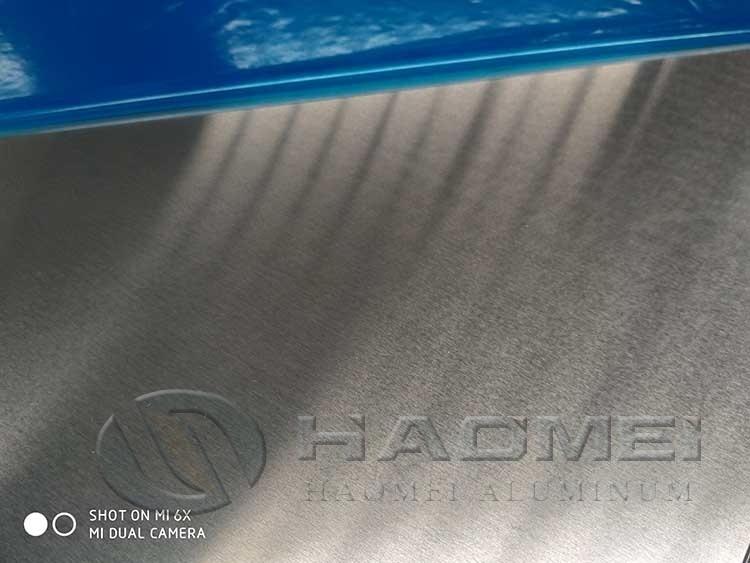
The most frequent disputes in 1050 orders are not chemistry failures. They are surface marks, edge wave, inconsistent thickness, and mismatch between promised and actual temper.
Confirm alloy and temper against MTC
Measure thickness at multiple positions with calibrated gauge
Check width, length, squareness, and burr condition
Inspect for roller marks, scratches, oil stain, water stain, white rust
Verify film adhesion and removal performance if PE film is applied
Review flatness on a stable inspection table
For electrical uses, request conductivity data and test method in advance
Record coil or batch number for traceability
| Document | Why it matters |
|---|---|
| Mill test certificate | chemistry, temper, batch traceability |
| Packing list | piece count, net and gross weight |
| Certificate of origin | customs and trade preference |
| RoHS/REACH statement | downstream compliance screening |
| Inspection report | dimensional and surface confirmation |
Choose 1050 when the part needs purity-led performance: ductility, corrosion resistance, heat transfer, conductivity, or bright finish. It is a poor choice for high-load structural parts, abrasion-heavy service, or applications where stronger alloys would reduce thickness.
A fast selection rule:
Choose 1050 for conductivity, reflectivity, and easy forming
Choose 3003 for better general-purpose strength
Choose 5052 for stronger corrosion-resistant industrial panels
Choose specialized grades when thermal expansion, ultra-flatness, or cosmetic electronic surfaces dominate the specification
A disciplined specification, clear tolerance sheet, and pre-shipment inspection plan will do more to control total cost than chasing the lowest quoted number.
With the development of dozens of years, we, Haomei Aluminum has solid base to provide clean aluminum material for the high-end applications including lithium-ion battery, lightweight automobile body, 3c products, aluminum brazing and other special uses.