



Phone:
+86-15978414719
Publish Time: 2026-03-31 Origin:https://www.hmaluminumsupply.com
Featured concern: conductivity with reliable formability during peak holiday production.
For converters, stampers, packaging plants and appliance component manufacturers, 1050 aluminium alloy is often chosen when the job needs very high aluminum purity, easy forming and dependable electrical or thermal performance. That matters even more before Christmas, Ramadan, Black Friday and year-end retail peaks, when missed deliveries can stop packaging, signage, lighting and gift-product output.
1050 belongs to the 1000 series commercial pure aluminum family. In European designation, the common grade is EN AW-1050A. Its aluminum content is at least 99.5%, which is why it is widely specified for reflective parts, chemical equipment, general sheet metal work and electrical applications.
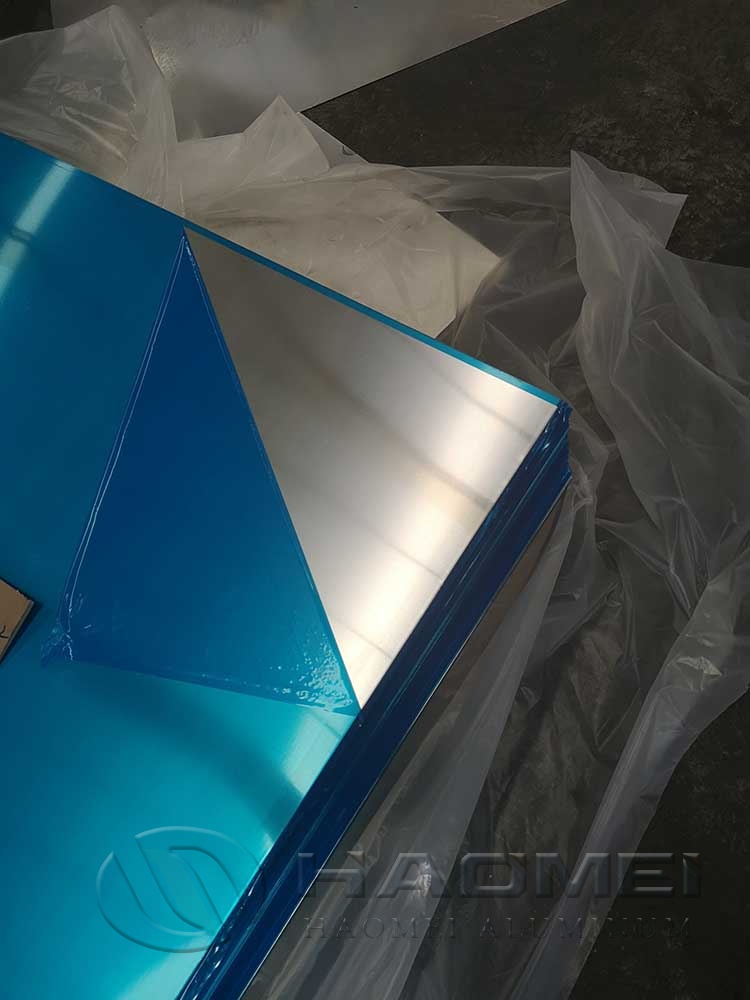
When a mill or stockholder quotes this alloy, the specification normally covers these items:
If your line needs easy bending and deep drawing, state the forming process first. If your line needs busbar, reflector or heat-transfer performance, state conductivity or thermal-use requirements first.
The following values are widely referenced for EN AW-1050A under EN 573-3. Actual mill certificates should always be checked before release.
| Element | Typical limit for EN AW-1050A |
|---|---|
| Al | 99.5% min |
| Si | 0.25% max |
| Fe | 0.40% max |
| Cu | 0.05% max |
| Mn | 0.05% max |
| Mg | 0.05% max |
| Zn | 0.07% max |
| Ti | 0.05% max |
| Others, each | 0.03% max |
| Others, total | 0.20% max |
Common specification references used in trade and production:
| Standard | Scope |
|---|---|
| EN 573-3 | Chemical composition and form of wrought products |
| EN 485 series | Sheet, strip and plate mechanical properties and tolerances |
| ASTM B209 | Aluminum and aluminum-alloy sheet and plate |
| ASTM B479 | Aluminum and aluminum-alloy foil |
For holiday-sensitive programs, ask for the exact standard on the quotation and test certificate. This avoids disputes when substitute grades are offered.
The main reason many plants choose this alloy is not strength. It is conductivity plus formability.
Typical material characteristics:
Indicative physical data commonly published for 1050 aluminum include:
| Property | Typical value |
|---|---|
| Density | about 2.71 g/cm3 |
| Electrical conductivity | about 61-63% IACS, temper dependent |
| Thermal conductivity | about 222 W/mK |
| Melting range | about 650 C |
These figures can vary slightly by standard or supplier data sheet, so use them for screening, not for contract acceptance.
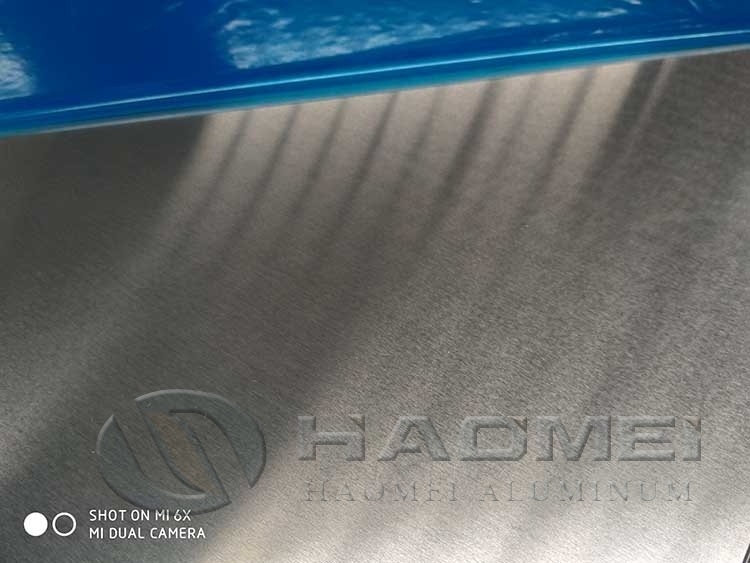
Use this quick comparison when ordering seasonal production stock.
| Temper | What it offers | Typical uses |
|---|---|---|
| O | Softest, highest formability | deep drawing, spun parts, circles |
| H12 | light work hardening | simple panels, covers |
| H14 | balanced stiffness and formability | signage, reflectors, general fabrication |
| H18 | harder surface, less formability | nameplates, applications needing rigidity |
| Foil tempers | thin gauge processing | packaging, insulation, lamination |
If your process includes tight-radius bending or stamping, request samples in O and H14 before fixing annual volume.
Many order errors happen because 1050, 1060 and 1100 are treated as interchangeable. They are close, but not identical.
| Alloy | Main advantage | Trade-off |
|---|---|---|
| 1050 | Widely available, very good conductivity and formability | lower strength |
| 1060 | slightly higher aluminum purity, often better conductivity | may not be needed for standard forming work |
| 1100 | slightly stronger due to added copper | conductivity lower than purer grades |
| 3003 | better strength and workability in some fabrications | lower conductivity |
For protective surface supply during holiday rush builds, some processors also compare 1050 sheet with Factory Customized Aluminium Aluminum Plain Flat Plate with PE Film One Side when film application and clean surface delivery matter.
1050 alloy is often used in lighting reflectors, decorative trim, packaging components, closures, appliance liners and transformer-related parts. Demand rises before retail and festival seasons because converters increase output for gift boxes, food packs, display systems and promotional fixtures.
Use this holiday planning checklist:
If your program expands into custom performance products, it can be useful to compare pure aluminum options with broader Special aluminum materials for exact end-use matching.
Send these details in one RFQ to reduce revision cycles:
| Item | Example |
|---|---|
| Alloy | 1050A |
| Standard | EN 485 / ASTM B209 |
| Form | coil |
| Temper | H14 |
| Thickness | 0.50 mm |
| Width | 1000 mm |
| Coil weight | 2-3 tons |
| Surface | mill finish with PE film |
| Edge | slit edge |
| Application | reflector stamping |
| Certificate | MTC required |
| Delivery window | before holiday line ramp-up |
Typical markets for 1050 alloy products include:
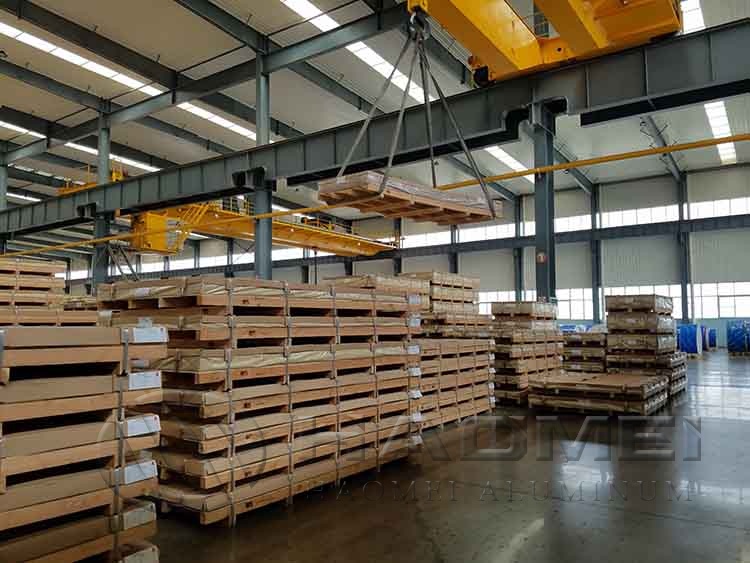
For operations focused on uninterrupted seasonal output, 1050 aluminium alloy works best when conductivity, corrosion resistance and easy forming matter more than strength. The safest purchasing practice is simple: match the alloy to the standard, the temper to the process, and the packaging to the holiday delivery window.
With the development of dozens of years, we, Haomei Aluminum has solid base to provide clean aluminum material for the high-end applications including lithium-ion battery, lightweight automobile body, 3c products, aluminum brazing and other special uses.