



Phone:
+86-15978414719
Publish Time: 2026-02-11 Origin:https://www.hmaluminumsupply.com
Lithium ion cells rely on a thin, highly conductive metal layer to move electrons efficiently during charge and discharge. On the cathode side, that role is typically served by battery grade aluminum foil, engineered for stable conductivity, clean surface condition, and consistent thickness so coating and calendering remain predictable at scale.
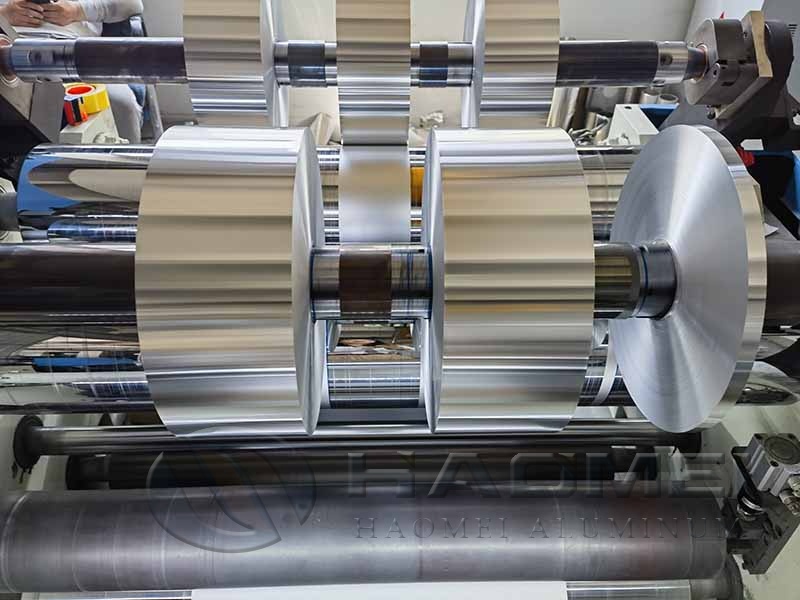
For procurement teams and cell manufacturers, the value of the right cathode current collector foil is not just electrical performance. It also shows up as higher coating yield, fewer pinholes and breaks, better adhesion of active material, and smoother running on high speed slitting and winding lines. Because current collectors touch multiple process steps, small variations in metallurgy, surface quality, or gauge control can quickly become large production losses.
Unlike general purpose foil, material for lithium cell cathodes is specified around tight gauge tolerances, flatness, surface cleanliness, and mechanical behavior during coating and winding. The foil must be compatible with common cathode chemistries such as LFP, NMC, and NCA, and remain stable within the battery environment.
Key requirements typically evaluated by bulk orders include:
Thickness consistency: Gauge variation impacts coating weight uniformity and energy density consistency.
Surface condition: Clean, low residue surfaces help binder wetting and coating adhesion.
Mechanical properties: A balance of tensile strength and elongation supports high speed slitting and winding without edge cracking.
Defect control: Pinholes, scratches, roll marks, and inclusions can trigger coating defects or internal shorts if severe.
Edge quality after slitting: Burr control and minimal edge wave help reduce particle generation and improve winding stability.
Alloy selection is also important. High purity series such as 1xxx are commonly used due to conductivity and formability, while some applications prefer specific tempers to match coating line behavior.
If you are evaluating established product routes, options like 1070 Battery Grade Aluminum Foil are often specified when conductivity and low impurity levels are prioritized for consistent electrochemical performance.
Specifications vary by cell design and equipment capability, but most purchase orders define a combination of alloy, temper, thickness range, width, inner diameter, outer diameter, and quality controls.
| Item | Common Range or Practice | Why it matters in production |
|---|---|---|
| Alloy | 1xxx series often used (example: 1060, 1070, 1100) | Conductivity, cleanliness, predictable forming |
| Thickness | Often in the tens of microns, specified by line needs | Influences energy density and coating uniformity |
| Temper | Soft to medium tempers depending on winding and calendering | Controls tensile, elongation, and flatness |
| Width tolerance | Tight width and camber control | Reduces edge scrap, improves winding alignment |
| Surface quality | Low oil, low stain, controlled roughness | Supports adhesion and reduces coating defects |
| Coil ID and OD | Matched to unwinder design | Improves uptime and handling safety |
| Slitting | Controlled burr and edge wave | Reduces particle generation and winding issues |
In addition to the above, many buyers request inspection documentation aligned with their incoming quality plan, such as gauge mapping, surface defect limits, and traceability by heat and coil.
A strong supplier is defined by process control as much as by headline specifications. For cathode current collectors, consistent performance across lots is critical because cell plants run continuously and qualification cycles are costly.
When evaluating supply, focus on these practical checkpoints:
Raw material cleanliness and traceability Ask for heat level traceability and impurity controls. Stable chemistry supports stable conductivity and mechanical behavior.
Gauge, shape, and flatness capability Request how thickness is controlled across the width, and how flatness is managed to prevent telescoping, wrinkles, and coating line tension instability.
Surface management for coating compatibility Coating lines are sensitive to residual rolling oil and particulate. Clarify cleaning, packaging, and handling practices designed to limit contamination.
Slitting and packaging for battery plants Battery plants often need controlled edge quality, protective interleaving if required, and packaging that prevents dents and moisture ingress during transport and storage.
Verification methods Confirm what inspection methods are used for surface defects and pinholes. Many users rely on a combination of visual inspection and instrumentation, depending on their internal standards.
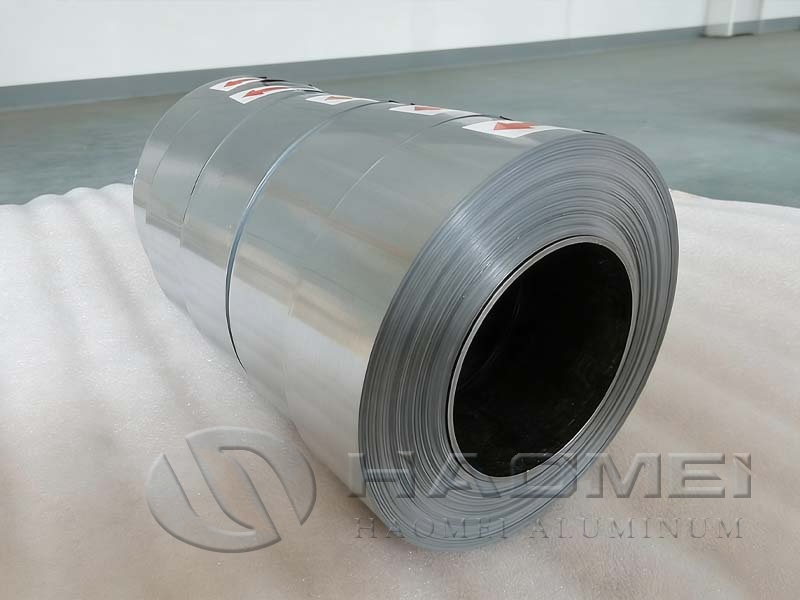
For teams building qualification plans, it can help to start with an established, widely used grade such as 1060 Aluminum Foil and Battery, then refine alloy and temper selections around your coating rheology and line speed.
Lock critical tolerances early: Thickness and width tolerance alignment between cathode design, coating head settings, and slitting capability prevents repeated trial runs.
Specify defect acceptance clearly: Define allowable pinholes, scratches, and oil stains in measurable terms to reduce disputes and protect yield.
Align coil dimensions with equipment: Unwinders and slitters have preferred ID, OD, and maximum weight. Matching these reduces changeover time.
Plan for lot consistency: For long term supply, ask for process change notification so rolling schedule, lubrication, or annealing changes do not surprise your line.
In fast growing markets such as EV and energy storage, demand volatility can stress lead times. Working with suppliers that can provide stable rolling capacity, consistent metallurgy, and disciplined packaging reduces the risk of line interruptions while supporting higher yield and better cell-to-cell uniformity.
With the development of dozens of years, we, Haomei Aluminum has solid base to provide clean aluminum material for the high-end applications including lithium-ion battery, lightweight automobile body, 3c products, aluminum brazing and other special uses.