



Phone:
+86-15978414719
Publish Time: 2026-02-02 Origin:https://www.hmaluminumsupply.com
Battery cell manufacturing uses aluminum foil mainly as the cathode current collector. For procurement teams and production planners, confusion often comes from similar-looking foils sold for very different purposes, such as household foil, capacitor foil, or general industrial foil. This guide explains what makes battery-grade aluminum foil different, which specifications matter most, and how to verify quality before committing to volume.
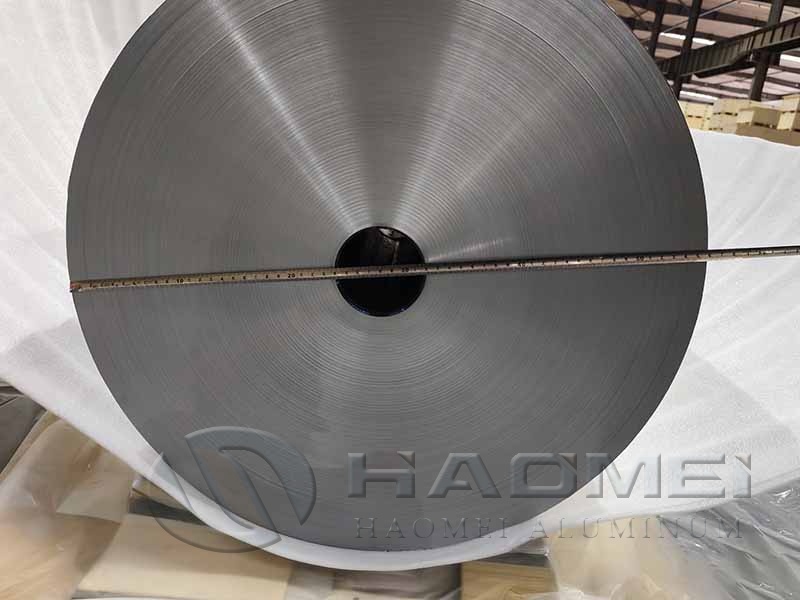
In most lithium ion chemistries, the cathode coating is applied onto aluminum foil. The foil provides an electrically conductive path, mechanical support for the active material layer, and a stable interface during calendaring and winding.
Because the foil directly affects coating uniformity, adhesion, and internal resistance, cell makers treat it as a functional material rather than simple packaging metal. Typical requirements include consistent thickness, controlled surface condition, low defect rates, and clean handling to prevent contamination.
Common misconceptions to clear up:
Not all thin aluminum foil is suitable for cathodes. Surface cleanliness and pinhole control are usually stricter than general industrial foil.
"Shiny side vs matte side" is not a battery specification by itself. What matters is surface roughness, cleanliness, and any specified surface treatment, verified by the supplier's data.
Alloy selection is not only about strength. It also affects conductivity, formability, and the stability of coating and slitting processes.
For bulk purchasing, define technical requirements in a way that matches your coating, calendaring, and winding setup. The list below highlights the parameters most frequently tied to yield and consistency.
| Parameter | Why it matters in production | Typical verification method |
|---|---|---|
| Thickness and tolerance | Controls areal capacity consistency and winding tension behavior | Micrometer mapping, online gauge data, Cpk reports |
| Width and edge quality | Impacts slitting yield, burr risk, and dust generation | Edge inspection, burr measurement, slit profile checks |
| Surface cleanliness | Prevents adhesion loss, coating defects, and unexpected impedance | Contact angle, solvent wipe tests, cleanliness specs |
| Surface roughness | Affects coating anchoring and uniformity | Profilometer Ra or other agreed metrics |
| Pinhole and inclusions | Reduces reliability, can become defect initiation points | Light table inspection, camera systems, sampling plans |
| Mechanical properties | Influences break frequency during winding and slitting | Tensile testing, elongation, temper certification |
| Flatness and waviness | Impacts coating thickness uniformity and registration | Flatness inspection, waviness limits in spec |
| Packaging and handling | Prevents edge damage, telescoping, and contamination | Packaging standard review, incoming appearance checks |
If your application involves high-speed coating or very tight winding tolerances, ask for evidence of process capability, not just a certificate. Incoming quality performance is often tied to how the mill controls thickness variation across the width and along the length.
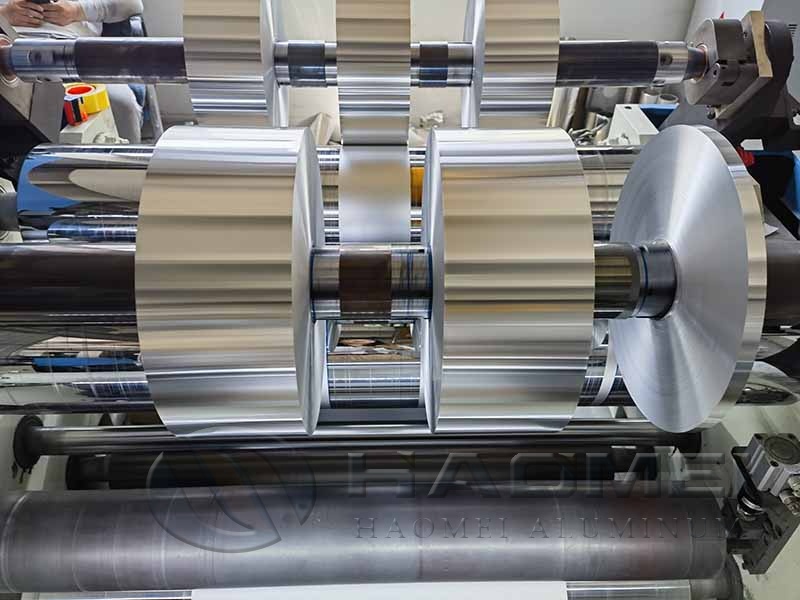
Battery cathode collectors are commonly supplied in high-purity aluminum alloy families used for good conductivity and formability. The best choice depends on your targeted thickness, your slitting setup, and how aggressive your calendaring conditions are.
Practical selection guidance:
If your priority is stable coating behavior and consistent conductivity, focus on suppliers that can demonstrate tight impurity control and stable surface preparation.
If you see frequent breaks during winding or slitting, review tensile and elongation, edge condition, and the temper condition rather than switching thickness immediately.
If you are qualifying multiple suppliers, keep the surface condition consistent. Even when alloy is the same, surface preparation differences can change coating adhesion and wetting behavior.
For product qualification that needs a named grade, you can reference dedicated battery specifications such as 1070 Battery Grade Aluminum Foil when high purity and stable conductivity are priorities, or evaluate 1100 Aluminum Foil for Lithium Ion Battery where a widely used alloy family is desired for broader supply flexibility.
A strong RFQ for cathode collector foil should request documents and samples that reduce qualification time and prevent mismatch between spec and reality.
Recommended RFQ checklist:
Certificate of analysis and mechanical property report per lot
Thickness mapping data and tolerance definition, including cross-web variation
Defect definition standard and inspection method, including camera inspection capability
Surface roughness targets and measurement method
Cleanliness handling statement, including storage environment and packaging materials
Slitting capability: minimum slit width, burr control, and dust management
Traceability: coil ID, lot linking, and change-control procedure
Sampling and trial approach:
Request trial coils that match your exact width and core requirements so slitting, winding, and coating trials represent real conditions.
Align acceptance criteria for defect counting. Without an agreed method, two parties can measure the same coil and reach different pass or fail results.
Bulk procurement succeeds when incoming inspection catches systemic issues early and feeds back into supplier corrective action.
Suggested incoming QC points:
Visual inspection under standardized lighting for scratches, roll marks, and embedded particles
Edge inspection for burrs and edge dents that can trigger winding breaks
Thickness sampling plan across width and along length, tracked by control charts
Cleanliness checks that correlate with your coating defects, such as wipe test or contact angle
Packaging integrity checks: moisture barriers, desiccant usage if specified, and evidence of impact damage
When defects appear, document them with location tracking (meter mark and edge distance). This helps the mill identify whether the issue originated from rolling, annealing, slitting, or handling.
Collector foil is easy to damage in transit. Many performance complaints trace back to telescoping, crushed edges, or contamination introduced after production.
Logistics practices to specify:
Protective wrap with defined cleanliness standard
Edge protectors and shock-resistant outer packaging
Coil orientation and stacking limits for container loading
Defined storage conditions at your facility to minimize oxidation and dust pickup
If your operation uses automated unwinding, align on core ID, core strength, and coil tightness requirements. Improper winding tension or weak cores can cause runout, vibration, and coating nonuniformity.
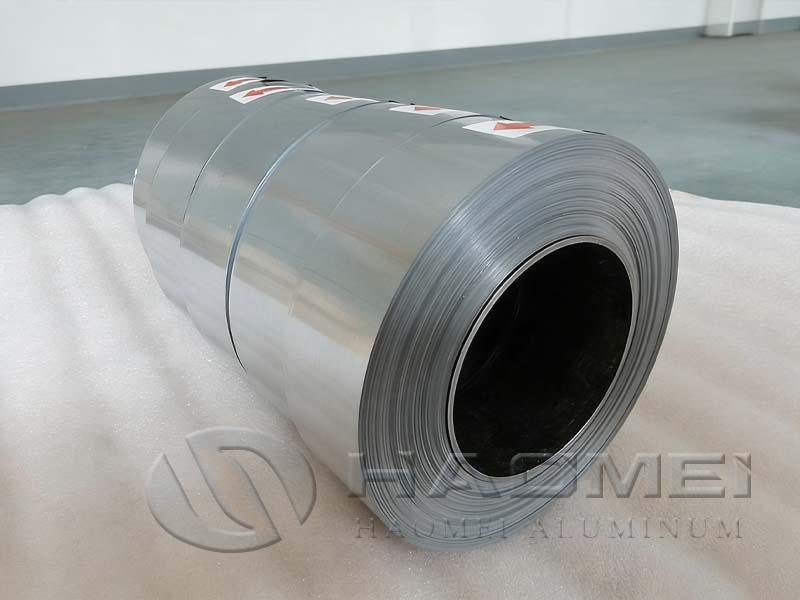
Is household aluminum foil usable for cellsNo. Household foil is not controlled to the same defect, cleanliness, and thickness stability requirements expected for cathode current collectors.
Does higher purity always mean better performanceNot always. Purity can support stable conductivity and lower impurity-related risks, but line stability also depends on thickness control, surface condition, and edge quality.
How do I avoid supplier-to-supplier variationLock down measurable parameters, agree on inspection methods, and run controlled trials with the same coating recipe and process window. Change control matters as much as the initial qualification.
Which specs correlate most with coating defectsCleanliness, surface roughness, and flatness are common drivers, alongside edge dust from slitting. Track defect modes and link them to incoming measurements for faster root-cause analysis.
With the development of dozens of years, we, Haomei Aluminum has solid base to provide clean aluminum material for the high-end applications including lithium-ion battery, lightweight automobile body, 3c products, aluminum brazing and other special uses.