



Phone:
+86-15978414719
Publish Time: 2026-04-15 Origin:https://www.hmaluminumsupply.com
Battery performance often depends on a small detail: the aluminum current collector foil. For lithium-ion cells, aluminum foil is widely used on the cathode side because it combines low density, good conductivity, corrosion resistance, and scalable rolling performance. For industrial users, the top concern is usually thickness consistency. A small deviation in foil gauge can affect coating uniformity, winding stability, internal resistance, and final cell yield.
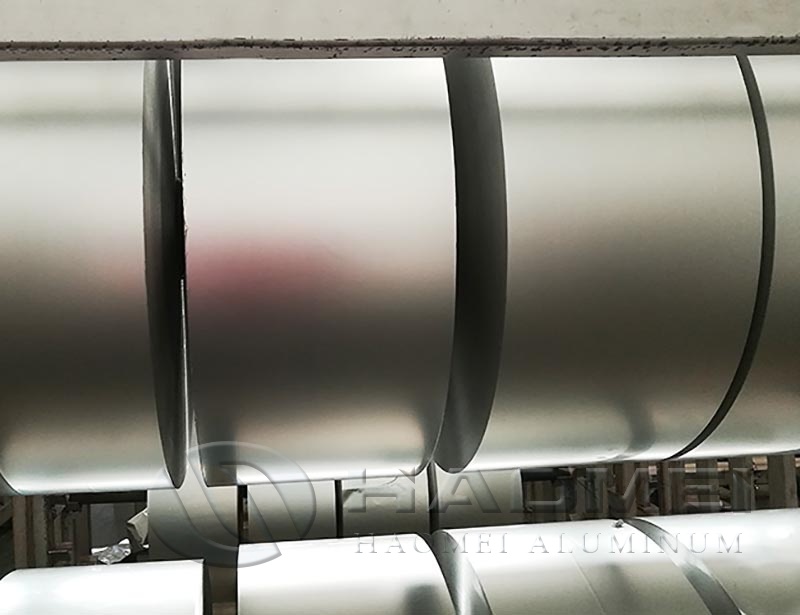
In lithium-ion batteries, aluminum foil acts as the cathode current collector. It supports the active material coating, conducts electrons, and helps maintain dimensional stability during slitting, drying, calendaring, and winding or stacking.
Typical battery foil must balance these properties:
In practical sourcing, foil defects usually show up as:
Battery-grade aluminum foil is usually supplied in very thin gauges. Commercial ranges often fall around 10-20 μm for lithium-ion current collectors, though exact values depend on cell design. Common alloys include 1060, 1070, 1100, and 1235. These are selected mainly for conductivity, formability, and process stability.
For applications requiring product matching by chemistry and process route, many manufacturers compare Ev battery foil specifications with standard energy-storage foil to confirm whether higher tensile stability or narrower tolerance is required.
| Alloy | Purity/Type | Main advantage | Typical use note |
|---|---|---|---|
| 1060 | Industrial pure Al | Good conductivity, mature processing | Widely used for standard cathode collector foil |
| 1070 | Higher purity Al | Better conductivity than 1060 | Used where lower resistance is prioritized |
| 1100 | Al with small alloy addition | Balanced strength and workability | Suitable for some coated foil lines |
| 1235 | High-purity foil alloy | Excellent foil rolling capability | Common in thin foil production |
A practical way to compare is to review the mill test data for conductivity, tensile strength, elongation, and final gauge capability. For thin-gauge demand, 1070 Battery Grade Aluminum Foil is often evaluated when conductivity is a priority.
There is no single global rule covering every battery foil transaction, so purchase contracts usually combine general aluminum standards with customer-specific technical agreements. For chemical composition, recognized references include ASTM B209/B209M for aluminum and aluminum-alloy sheet and plate chemistry framework, and EN 573 for alloy designation in Europe. For dimensions and tolerances in rolled products, EN 485 and ASTM documents are commonly referenced depending on region and product form.
For battery use, the most important acceptance items are usually listed in the technical agreement rather than only the base standard.
| Item | Why it matters | Common verification method |
|---|---|---|
| Thickness tolerance | Affects coating weight and resistance | Micrometer, X-ray gauge records |
| Width tolerance | Influences slitting and winding fit | Vernier or automated width check |
| Surface cleanliness | Prevents coating defects | Visual inspection, wipe test |
| Roughness | Impacts adhesion and coating spread | Surface roughness tester |
| Mechanical properties | Prevents breakage in line running | Tensile test |
| Pinhole/defect level | Reduces short-circuit and coating issues | Light inspection, online surface scan |
| Wettability | Supports slurry coating uniformity | Dyne test or contact angle method |
| Coil flatness and edge quality | Improves runnability | Visual inspection, line trial |
Relevant test equipment and methods often include:
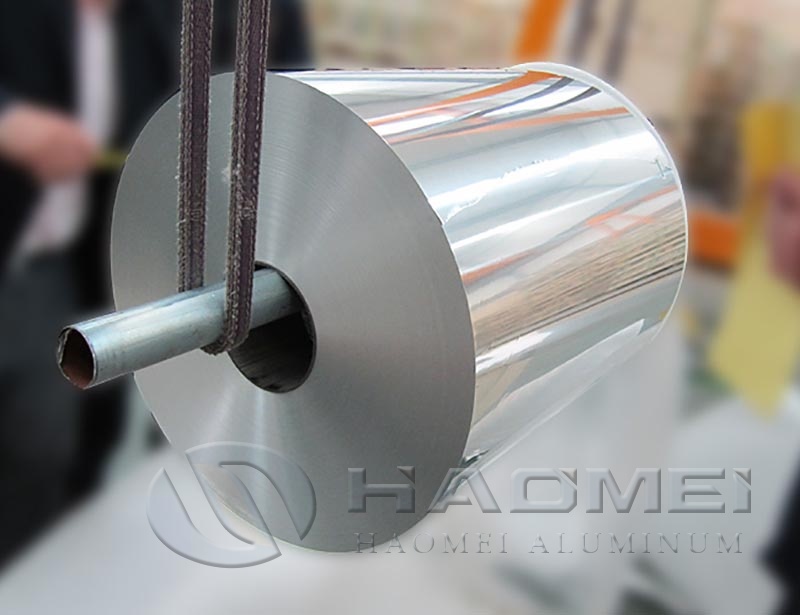
Instead of starting with alloy alone, begin with the downstream process.
Confirm cell type.
Lock the foil thickness.
Match alloy to conductivity and process stability.
Define surface condition.
Set mechanical property range.
Request trial coil data.
Battery foil pricing is not just based on aluminum ingot cost. It usually includes:
Very thin battery foil generally carries a higher conversion premium than general packaging foil because rolling yield, cleanliness, inspection, and scrap control are more demanding. When comparing offers, use the same specification sheet for all suppliers. If one quotation looks unusually low, check whether thickness tolerance, pinhole control, or surface inspection scope has been reduced.
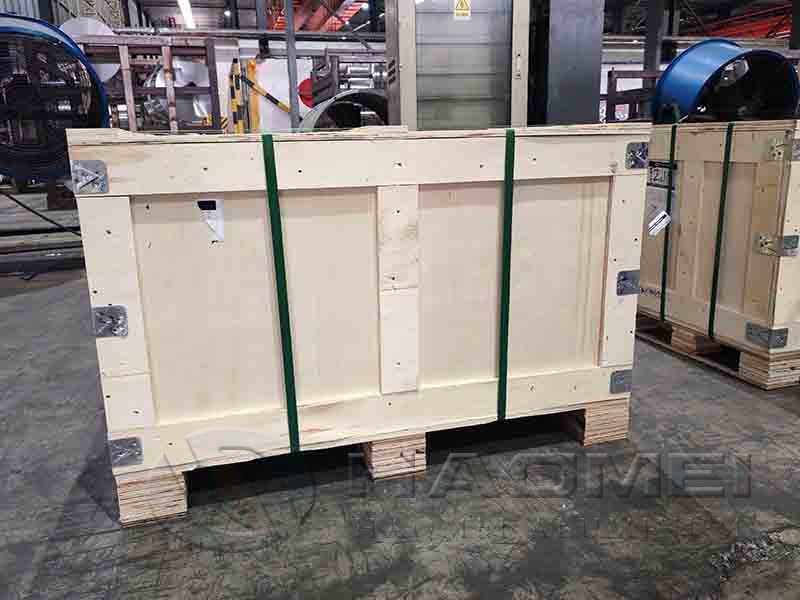
For industrial sourcing, the safest approach is to evaluate battery aluminum foil by one priority first: thickness consistency. Stable gauge control supports uniform coating, smoother winding, and lower process loss. After that, compare alloy, cleanliness, mechanical data, and supplier traceability on the same technical basis.
A usable purchase specification should clearly define alloy, temper, thickness, width, tolerance, mechanical properties, surface condition, defect limits, coil dimensions, packaging, and test documents. That structure reduces disputes and helps qualify foil faster for lithium-ion production.
With the development of dozens of years, we, Haomei Aluminum has solid base to provide clean aluminum material for the high-end applications including lithium-ion battery, lightweight automobile body, 3c products, aluminum brazing and other special uses.