



Phone:
+86-15978414719
Publish Time: 2026-09-15 Origin:https://www.hmaluminumsupply.com
For Christmas, New Year, and year-end promotional production, surface damage is an expensive avoidable problem. Decorative panels, signage blanks, gift packaging components, lighting reflectors, and appliance trim often require bright, clean aluminum that can be stamped or bent without visible scratches.
1000 Series Aluminum Sheet is a practical holiday solution when production needs commercially pure aluminum, strong corrosion resistance, and dependable formability. The priority is not high structural strength. It is protecting the finish from warehouse handling through fabrication and final assembly.
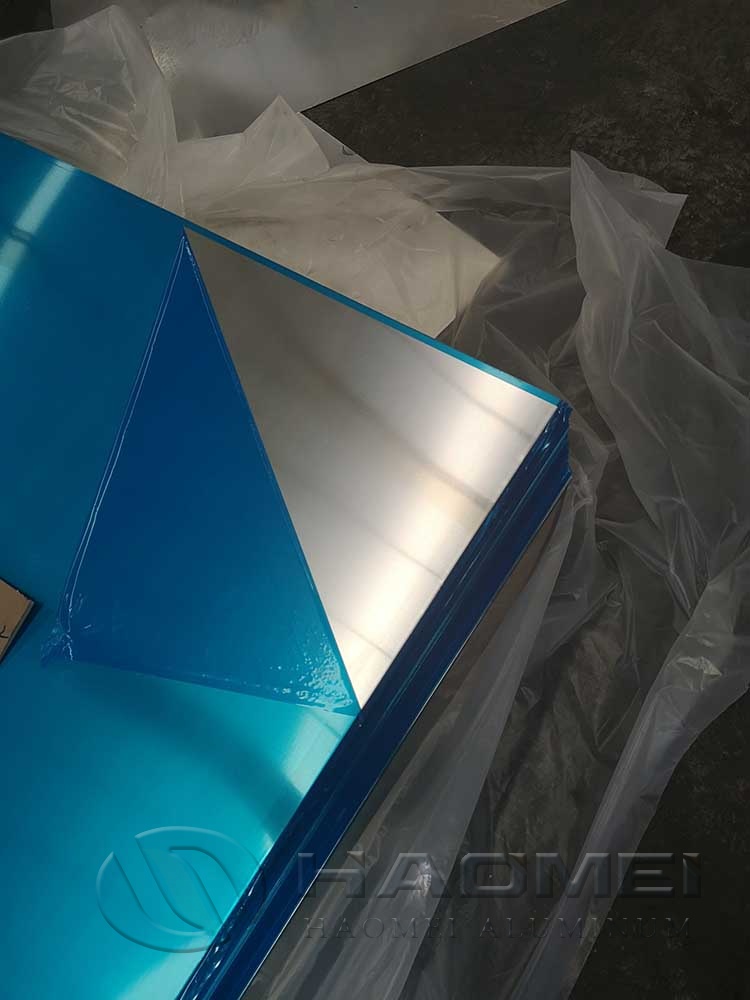
The 1000 series covers aluminum grades with high aluminum content. Grade selection should be written into the purchase specification, rather than using "pure aluminum" as a stand-alone description.
According to EN 573-3 chemical-composition designations, 1050 contains a minimum of 99.5% aluminum, 1060 a minimum of 99.6%, and 1100 a minimum of 99.0% aluminum. These grades are commonly selected where forming behavior, corrosion resistance, electrical performance, or reflectivity matters more than mechanical strength.
| Grade | Minimum aluminum content | Practical holiday-season use | Surface-protection priority |
|---|---|---|---|
| 1050 | 99.5% | Decorative sheets, lamp components, general formed parts | PE film for visible faces |
| 1060 | 99.6% | Reflectors, electrical parts, spun or deep-drawn components | Film plus edge protection |
| 1100 | 99.0% | Sign blanks, chemical equipment components, general fabrication | Film selected for processing temperature |
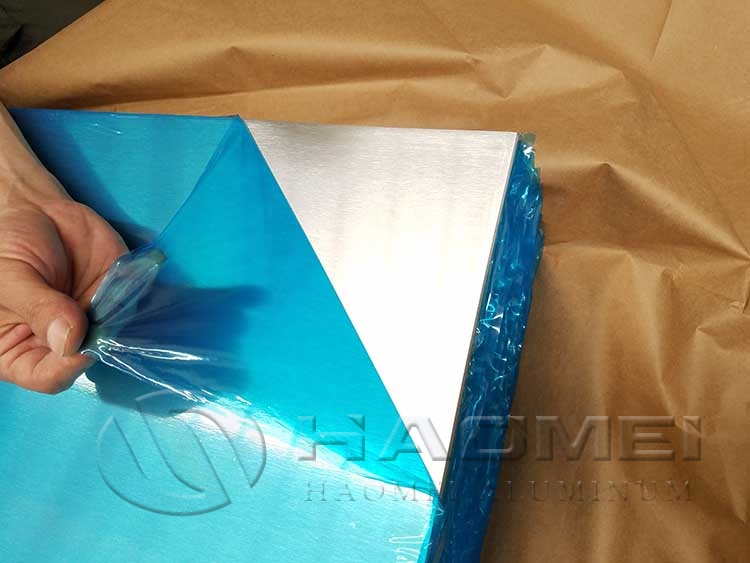
For painted, anodized, or polished parts, a protective film is more than a packaging preference. It prevents friction marks from coil slitting, sheet stacking, forklift movement, and press-shop handling. Film must also release cleanly after storage.
Specify these items on every order:
A film-covered option is especially suitable for seasonal display panels and pre-fabricated decorative parts. For a defined visible-surface specification, consider Factory Customized Aluminium Aluminum Plain Flat Plate with PE Film One Side when one protected face is required during cutting, bending, and installation.
Year-end schedules can create pressure at ports, warehouses, and fabrication plants. The workable approach is to divide the requirement into material approval, production release, and delivery inspection. This reduces the chance that a late replacement order interrupts a holiday campaign.
Use a sample from the nominated grade, temper, and film system. Test the exact downstream process: blanking, bending, stamping, brushing, anodizing, or paint application.
Check for the following:
Do not assume that a film suitable for room-temperature storage will work after heat exposure. If parts enter a paint, lamination, or warm-forming process, state the maximum process temperature and dwell time to the supplier.
Temper changes handling behavior. Annealed O temper generally offers the highest formability, while H14 is strain-hardened and can provide greater stiffness for flat fabricated panels. The correct choice depends on bend radius, draw depth, tooling, and finished-part rigidity.
| Fabrication requirement | Usually appropriate direction | Risk if unspecified |
|---|---|---|
| Deep drawing or spinning | Softer temper, often O | Splitting during forming |
| Light bending and flat panel work | Strain-hardened temper, often H14 | Springback or insufficient stiffness |
| Reflective visible surface | Controlled finish with film | Scratches found after assembly |
| Automated sheet feeding | Defined flatness and burr limits | Misfeeds and tool stoppages |
For electronic display housings or appliance-facing components where flatness is the main concern, compare the surface specification with Ultra Flat Aluminum Sheet for 3C Electronic Products. It is a different product positioning, but it helps purchasing and engineering teams identify when standard flatness is not sufficient.
Before placing a holiday-season order, confirm the production date, inspection window, packing date, dispatch point, transit mode, customs documentation, and receiving hours. Include contingency time for film approval and incoming inspection.
Use this timing checklist:
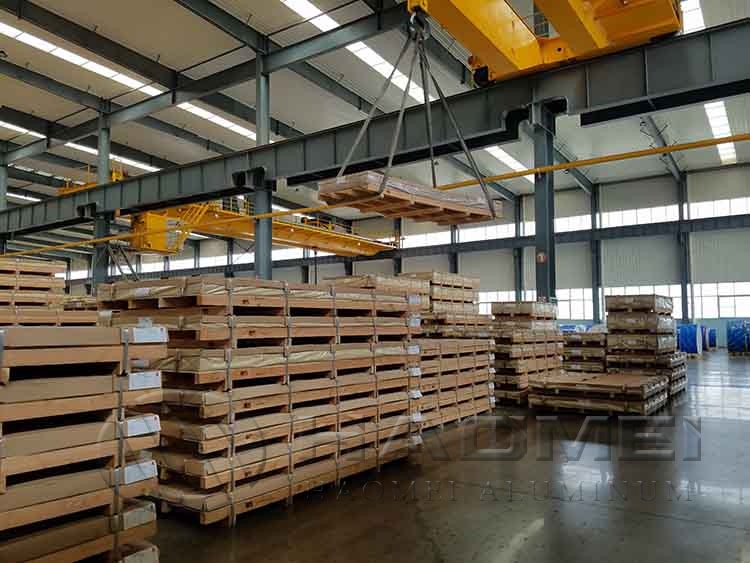
Surface protection only works if incoming inspection occurs before sheets are distributed across production. ASTM B209/B209M defines requirements for aluminum and aluminum-alloy sheet and plate, but the order should still state the agreed alloy, temper, dimensions, tolerances, and surface expectations.
Use a documented receiving check:
| Inspection point | Acceptance check | Why it matters during holiday production |
|---|---|---|
| Labels | Match alloy, temper, dimensions, and batch ID to order | Prevents mixed material entering production |
| Protective film | No lifting, tears, trapped debris, or adhesive transfer | Protects visible faces until final assembly |
| Surface | Inspect under angled lighting for dents, roller marks, and scratches | Detects defects before high-value processing |
| Dimensions | Measure thickness, width, length, and diagonals as specified | Avoids tool adjustment and assembly gaps |
| Packaging | Dry pallets, protected corners, stable strapping | Reduces transit damage and oxidation risk |
For Q4 projects, specify the material as a complete surface-controlled package: grade, temper, dimensions, finish, film, packing, inspection method, and delivery date. This turns 1000 series aluminum from a generic commodity into a dependable holiday production material for visible, formable components.
With the development of dozens of years, we, Haomei Aluminum has solid base to provide clean aluminum material for the high-end applications including lithium-ion battery, lightweight automobile body, 3c products, aluminum brazing and other special uses.