



Phone:
+86-15978414719
Publish Time: 2026-07-21 Origin:https://www.hmaluminumsupply.com
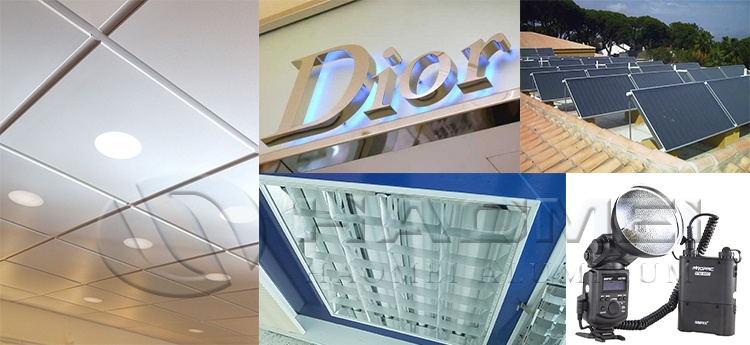
Mirror finish aluminium sheet is widely considered for decorative walls, lighting reflectors, signage, elevators, appliance panels, retail displays, and architectural facades. Its bright surface can create an attractive visual effect while remaining lighter than glass or stainless steel. However, not every polished aluminium product delivers the same image clarity, corrosion resistance, or forming performance.
The question wording below reflects current English-language Q&A search intent. It is editorially normalized for clarity rather than presented as a verbatim quotation from any one platform.
| Surface type | Typical appearance | Common applications | Important check |
|---|---|---|---|
| Polished finish | Bright metallic shine with softer reflections | Trim, signage, appliance decoration | Surface uniformity |
| Mirror finish | Clearer, more defined reflection | Lighting, displays, interiors | Reflectivity and distortion |
| Anodized mirror finish | Reflective surface with improved protection | Facades, ceiling panels, public spaces | Anodic coating quality |
| Embossed mirror finish | Decorative reflected pattern | Interior panels, packaging, anti-slip decor | Pattern depth and consistency |
A mirror finish aluminium sheet is not identical to a glass mirror. It is an aluminium panel processed through rolling, polishing, chemical brightening, or anodizing methods to produce a highly reflective surface. Premium material can provide sharp reflections, but the image may still be slightly softer than silver-backed glass.
The difference matters when the project requires accurate visual reflection, such as optical equipment or fitting-room mirrors. For decorative cladding, lighting fixtures, nameplates, and interior accents, aluminium is often preferred because it is lighter, impact resistant, and easier to fabricate.
Ask the supplier how reflectivity is measured. Visible-light reflectivity may be stated as a percentage, but a high number alone does not guarantee a clear reflection. Surface waviness, rolling marks, scratches, and orange-peel texture can distort the reflected image. Request photos taken with protective film removed, plus a sample large enough to inspect under normal lighting.
For maximum brightness, 1xxx series aluminium such as 1050, 1060, 1070, and 1100 is frequently selected. These grades have high aluminium content and generally respond well to polishing and bright anodizing. They are suitable for reflectors, decorative panels, labels, and indoor applications where deep forming is limited.
3xxx series options, including 3003 aluminum sheet, offer higher strength and may be used where moderate forming performance is needed. However, manganese can make the final reflection slightly less crisp than high-purity aluminium. For exterior projects, alloy selection must also consider corrosion exposure, panel design, and finishing treatment instead of focusing only on brightness.
| Alloy family | Mirror appearance | Strength level | Typical use |
|---|---|---|---|
| 1050 / 1060 / 1100 | Very bright and uniform | Low to medium | Lighting reflectors, decor, signage |
| 3003 | Bright, sometimes less sharp | Medium | Formed decorative parts |
| 5052 | Moderate brightness after finishing | Medium to high | Marine-adjacent or durable fabricated parts |
A practical specification should include alloy, temper, thickness, surface process, protective film, and acceptable visual defects. Simply specifying "mirror aluminium" leaves too much room for variation.
The reflective surface makes even fine marks highly visible. Scratches often occur during cutting, bending, transport, stacking, or film removal. Dust trapped between stacked panels can also create abrasion marks before the material reaches the fabrication site.
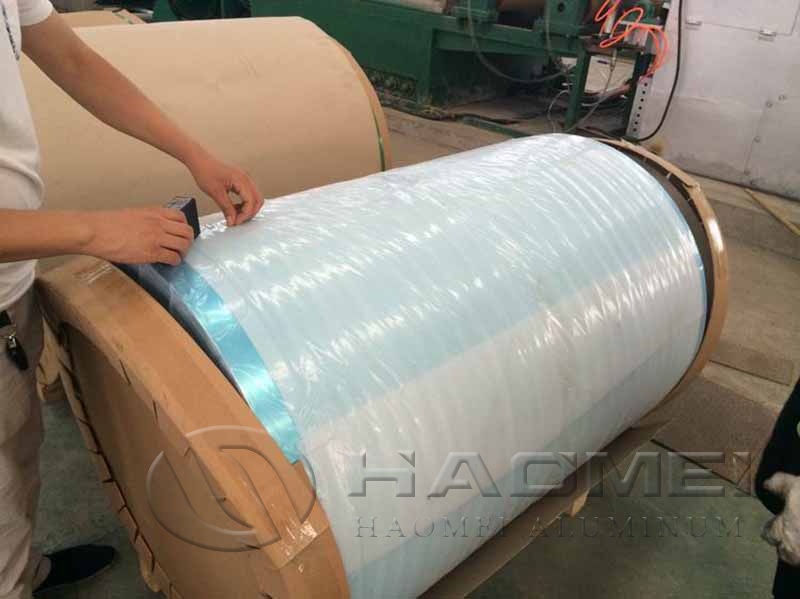
Protective film is essential, but it is not permanent protection. Film adhesive can become difficult to remove if exposed to strong sunlight, heat, or humidity for too long. For outdoor work, confirm the recommended storage period and removal window. Material should be stored indoors in a dry area, away from cement dust, salt spray, and direct rain.
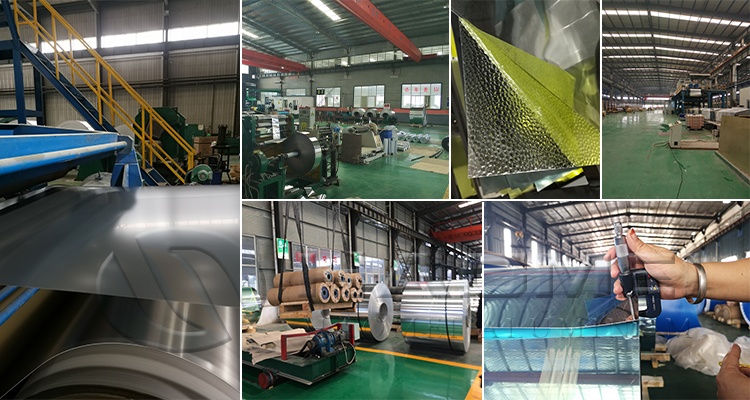
During fabrication, use clean worktables, non-marking rollers, and tools intended for finished decorative surfaces. Avoid sliding panels across one another. If laser cutting is planned, test a small sample first because heat can affect film edges or leave residue near the cut line.
Yes, but the fabrication method should match the thickness, alloy, temper, and finish quality. Softer tempers are usually more suitable for bending and shallow drawing. Harder tempers offer better flatness and dent resistance, yet they can crack during tight-radius bending.
For bending, keep the finished face protected and place it on the outside or inside of the bend according to the required appearance. A test bend is especially important for highly reflective anodized material, because micro-cracking may become visible along the bend line.
Laser cutting, shearing, punching, and routing are all possible. Clean edges are important because burrs can scratch adjacent finished surfaces during handling. For visible architectural edges, specify whether deburring, edge polishing, or folded returns are required.
Start with a physical approval sample, not only a catalogue image. Compare samples under the same lighting conditions where the finished installation will be viewed. Warm indoor light, daylight, and spotlights can make the same reflective panel appear very different.
Request the following technical details in writing:
Alloy and temper, such as 1060 H18 or 1100 H14.
Nominal thickness and thickness tolerance.
Width, length, diagonal tolerance, and flatness requirement.
Surface finish method, including polished, rolled mirror, chemical brightened, or anodized mirror.
Protective film type, thickness, adhesive level, and removal period.
Permitted scratches, dents, roller marks, edge damage, and color variation.
Packaging method, including interleaving paper, corner protection, and pallet coverage.
For facade, ceiling, or large wall-panel work, ask for production samples from the intended batch. Mirror finishes can vary subtly between lots, especially in brightness, tone, and reflected-image sharpness. Approving a batch sample before full production helps maintain a more consistent appearance across the completed installation.
| Project requirement | Specification to confirm |
|---|---|
| Decorative interior wall | Reflection clarity, film quality, scratch limits |
| Lighting reflector | Total reflectivity, heat exposure, surface cleanliness |
| Signage or appliance panel | Formability, print compatibility, edge finish |
| Exterior cladding | Anodizing quality, corrosion resistance, flatness |
| Elevator or retail display | Dent resistance, lot-to-lot visual consistency |
With the development of dozens of years, we, Haomei Aluminum has solid base to provide clean aluminum material for the high-end applications including lithium-ion battery, lightweight automobile body, 3c products, aluminum brazing and other special uses.