



Phone:
+86-15978414719
Publish Time: 2026-10-13 Origin:https://www.hmaluminumsupply.com
Coated aluminum sheet is increasingly discussed for facades, roofing trim, signage, appliances, transport interiors, and fabricated panels because it combines low weight with a ready-to-use decorative surface. Recent English-language Q&A discussions commonly focus less on the metal itself and more on finish life, coating selection, forming limits, and whether a lower quote will perform as expected.
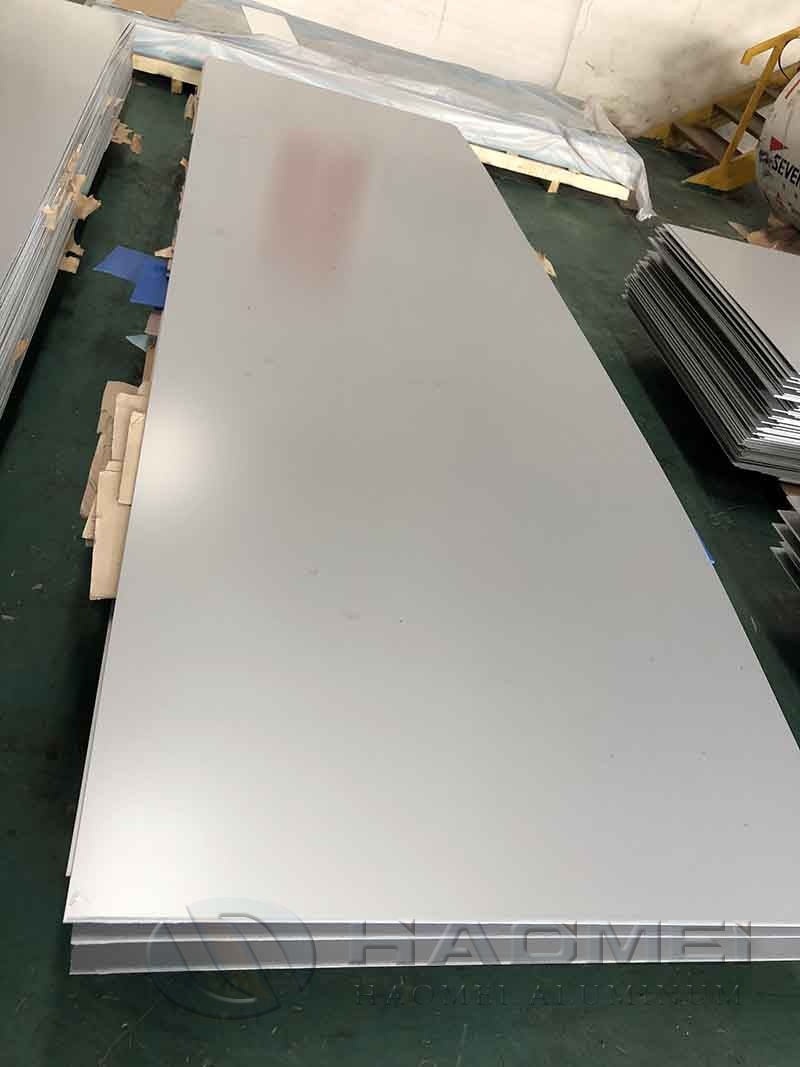
The five questions below reflect the wording and concerns frequently seen in recent public Q&A searches. Each answer focuses on practical specifications a purchasing team can verify before placing an order.
Usually, yes for outdoor architectural exposure, but not automatically for every project. PE, or polyester, is a practical painted finish for indoor panels, temporary structures, protected signage, and applications with modest UV exposure. It is generally more economical and offers a broad color range. Its limitations become clearer in strong sunlight, coastal air, industrial pollution, and areas with repeated temperature changes.
PVDF coatings use fluoropolymer resin chemistry that provides stronger resistance to ultraviolet fading, chalking, staining, and weathering. For a visible exterior surface expected to retain its color for many years, the higher initial cost can reduce repainting, replacement, and appearance complaints. A specification such as PVDF Coated Pre Painted Buidling Material Aluminum Sheet for Exterior Construction is particularly relevant where facade appearance is a long-term requirement.
| Project condition | Usually suitable coating | What to confirm |
|---|---|---|
| Indoor ceiling, appliance housing, protected trim | PE | Color, gloss, scratch resistance |
| Standard outdoor signage or cladding | High-quality PE or PVDF | UV exposure and expected service life |
| Coastal, hot, high-UV, or polluted exterior | PVDF | Resin system, coating thickness, color-retention warranty |
| High-traffic fabricated component | PE, SMP, or PVDF depending on use | Abrasion, forming, and cleaning requirements |
Do not compare coatings only by total paint thickness. A thicker low-grade coating is not necessarily more durable than a correctly applied premium system. Ask for the coating type, nominal dry-film thickness, gloss level, color standard, and test data for adhesion and flexibility.
The painted face protects the substrate, but cut edges, drilled holes, scratches, and fastener interfaces need design attention. Aluminum naturally develops a thin oxide layer, which helps resist corrosion. However, trapped moisture, salt deposits, incompatible metals, or poor drainage can create localized attack at exposed areas.
The most common risk is galvanic corrosion. It occurs when aluminum stays wet while touching a more noble metal, such as copper, or when runoff from copper contacts the aluminum surface. Use compatible fasteners, isolating washers, sealants approved for aluminum, and drainage details that do not hold water. In marine or chemically aggressive zones, specify an alloy and pretreatment intended for that environment rather than relying on paint alone.
A reliable purchase specification should state the substrate alloy, pretreatment, coating system, and intended installation environment. If panels will be cut after delivery, ask whether the supplier recommends edge sealing. This is especially important for dark colors in coastal construction because surface temperature and salt exposure can accelerate visible deterioration.
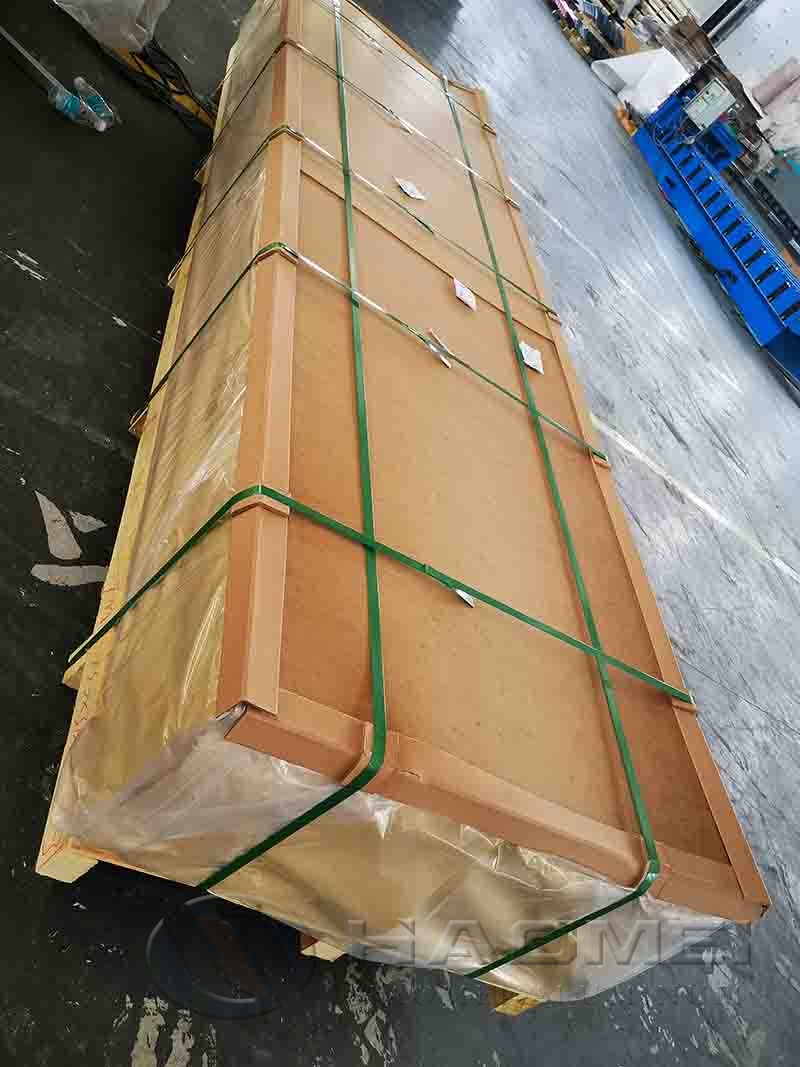
Thickness should be selected from panel size, support spacing, wind load, forming geometry, and handling method, not appearance alone. A thin panel may look perfectly flat while resting on a pallet but oil-can after installation if it is too wide or insufficiently supported. Conversely, selecting excessive thickness can add cost and weight without improving the finished result.
For light-duty signs and folded trim, material around 0.5 mm to 1.0 mm is often considered, subject to panel dimensions and backing. Architectural cassette panels and larger fabricated parts may require 1.0 mm to 2.0 mm or more, depending on wind pressure, folds, stiffeners, and framing. These are starting ranges, not structural approvals.
Before requesting a quotation, provide these details:
If the part requires an unpainted rear face or temporary surface protection during fabrication, a product such as Factory Customized Aluminium Aluminum Plain Flat Plate with PE Film One Side can be evaluated for fabrication-oriented work, provided the protective film and coating are matched to the process.
Yes, but the result depends on alloy, temper, coating flexibility, bend radius, paint thickness, and forming temperature. Coatings are not all designed for the same deformation. A finish that performs well on a flat facade panel may crack at a tight 90-degree fold if the material is too hard or the bend radius is too small.
Tell the supplier the smallest inside bend radius, bend angle, tooling method, and whether bends run parallel or perpendicular to the rolling direction. Request a bend test requirement in the order specification. For example, a project can define the acceptable outcome as no visible cracking or delamination after bending over an agreed mandrel diameter.
Protective film also matters. Film should stay in place during forming when recommended, then be removed within the supplier's stated period. Leaving film on too long, particularly in heat or sunlight, can make removal difficult and may leave adhesive residue.
Two offers may share the same color and nominal thickness while representing very different products. Price differences can come from the aluminum alloy, actual metal thickness tolerance, coating brand, resin chemistry, pretreatment, paint thickness, protective film, order quantity, color-matching requirements, and inspection level.
Ask each supplier to quote against the same technical description. The comparison should include substrate alloy and temper, width and length tolerances, coating system, dry-film thickness, color reference, gloss, reverse-side finish, protective film, packaging, and applicable tests. For exterior products, also ask whether the stated warranty covers fading, chalking, adhesion, or only manufacturing defects.
A lower-priced offer can be appropriate when the installation is indoors, short-life, or hidden. For a prominent outdoor surface, the better comparison is installed service value: expected appearance retention, fabrication yield, reject rate, and replacement exposure.
With the development of dozens of years, we, Haomei Aluminum has solid base to provide clean aluminum material for the high-end applications including lithium-ion battery, lightweight automobile body, 3c products, aluminum brazing and other special uses.