



Phone:
+86-15978414719
Publish Time: 2026-07-07 Origin:https://www.hmaluminumsupply.com
Seasonal campaigns have one recurring problem: materials must look premium after cutting, stacking, bending, shipping, and installation. A flat mirror or brushed surface can show fingerprints, rub marks, and small dents before the display reaches the store. A hammered aluminum sheet solves that practical issue with a textured surface that breaks up reflections and hides minor handling marks.
For July planning, this matters now. Halloween, Diwali, Thanksgiving, Christmas, New Year, and Lunar New Year programs often move through sampling, tooling, production, freight booking, and store rollout months before the sales date. Distributors, fabricators, display makers, lighting brands, packaging suppliers, and houseware manufacturers can use hammered aluminum as a holiday-ready material for decorative panels, gift boxes, signage, trays, lampshades, and point-of-sale fixtures.
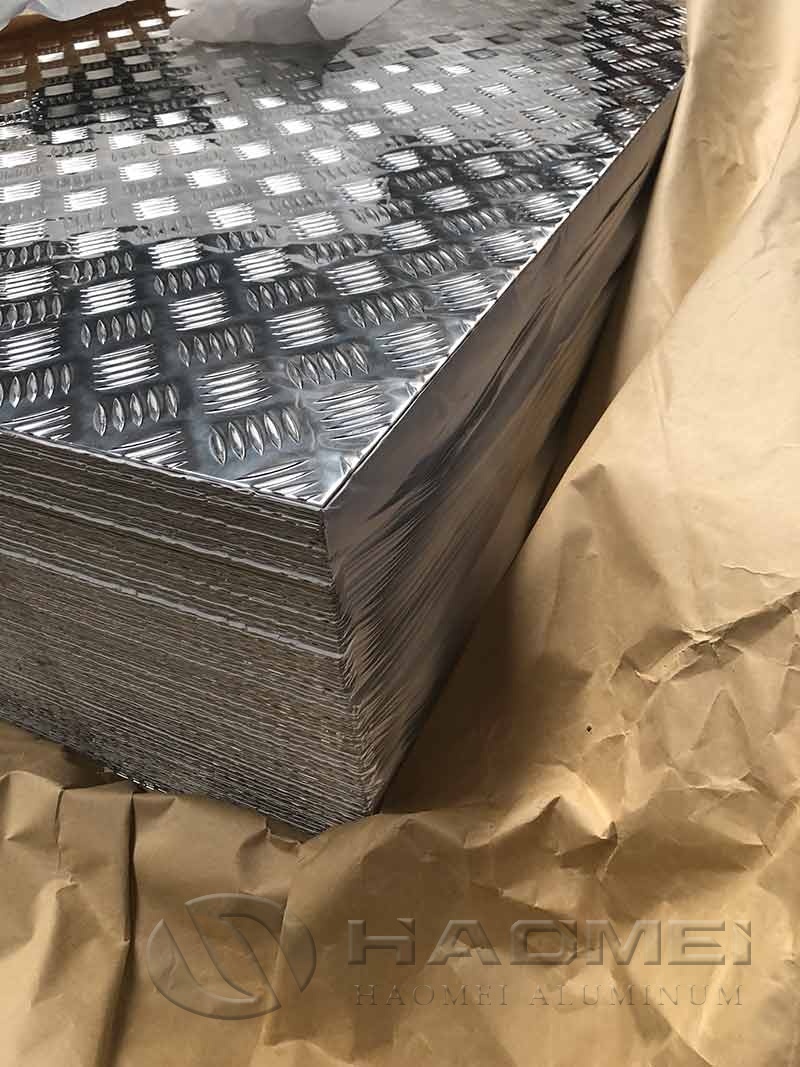
The main advantage is visual durability. The embossed pattern creates controlled unevenness, so small scratches and finger contact are less visible than on plain polished metal. Aluminum also offers low weight: pure aluminum density is about 2.70 g/cm3, roughly one-third the density of steel. That helps reduce fixture weight, shipping load, and installer strain.
For compliance language, use recognized standards rather than vague claims. ASTM B209/B209M covers aluminum and aluminum-alloy sheet and plate. EN 485 covers aluminum and aluminum-alloy sheet, strip, and plate in Europe. JIS H4000 is commonly referenced for aluminum and aluminum-alloy sheets and strips in Japan. If the part touches food, confirm the final alloy, coating, lubricant, and conversion treatment against the destination market rules, such as EU Regulation (EC) No 1935/2004 for food-contact materials.
| Holiday production problem | How hammered aluminum helps | Typical product use |
|---|---|---|
| Displays look scratched after setup | Texture disguises fine handling marks | Retail back panels, shelf liners, sign faces |
| Fixtures are too heavy for temporary stores | Aluminum is lighter than steel at equal volume | Pop-up counters, hanging ornaments, ceiling decor |
| Seasonal products need a premium metallic look | Pattern reflects light without a mirror finish | Giftware, lamp covers, decorative boxes |
| Packing teams need stackable panels | Sheets can be supplied with protective film | Cut-to-size panels, blanks, stamped parts |
| Mixed export markets need clear specs | ASTM, EN, or JIS references reduce ambiguity | Distributor inventory, OEM conversion |
Use it where the surface remains visible. If the material will be painted with a heavy opaque coating, confirm whether the hammered effect will still be visible after coating thickness is applied.
Texture variation is the top concern in repeat orders. A hammered pattern is not only a material type; it is also a visual standard. For chain-store rollouts, a slight pattern change can make separate fixtures look mismatched under store lighting. Treat the approved sample as a control item.
Follow this specification sequence before placing a high-volume order:
Confirm application: decorative panel, packaging component, stamped circle, lamp reflector, tray, or sign face.
Select alloy and temper: common commercial options may include 1050, 1060, 1100, 3003, 3004, or 5052, depending on forming, strength, and corrosion needs.
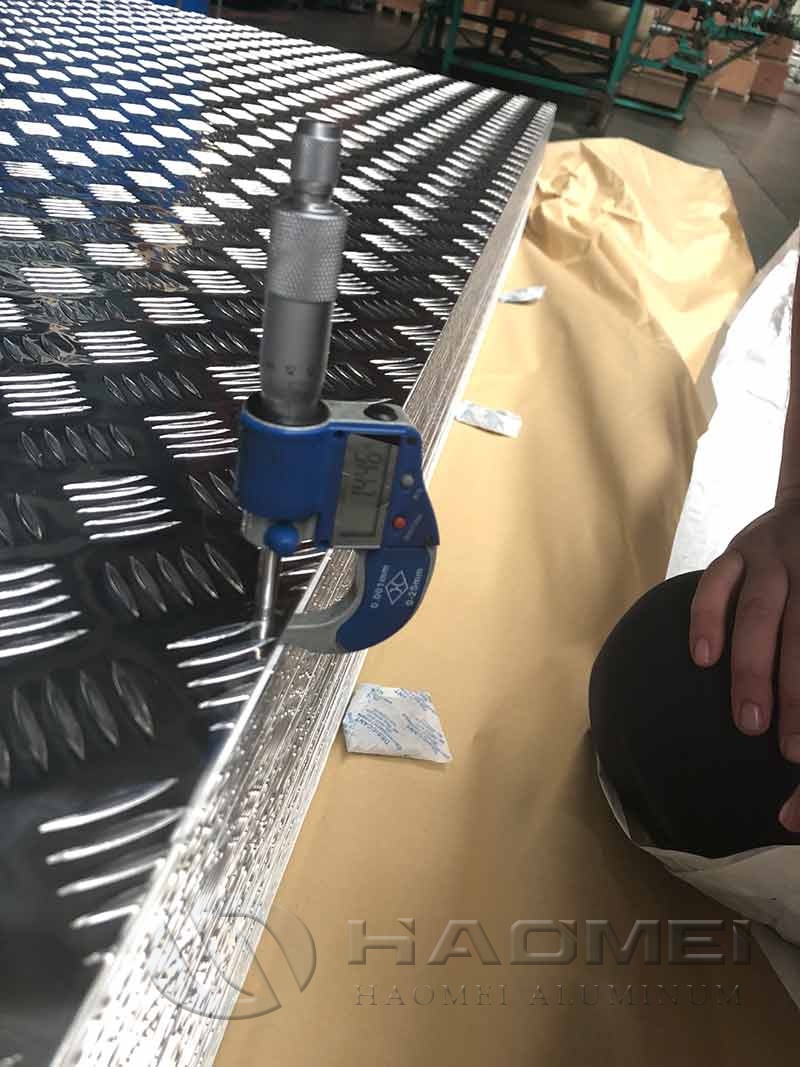
Define thickness and tolerance: do not specify nominal thickness only; state the tolerance standard.
Lock surface pattern: approve a physical sample with pattern depth, gloss, color, and protective film.
State finish route: mill finish, anodized, coated, painted, or laminated.
Confirm fabrication process: shearing, stamping, deep drawing, spinning, bending, roll forming, or CNC cutting.
Set packing method: moisture barrier, pallet type, edge protection, stacking height, and coil eye direction if supplied in coil.
Require inspection photos and test records before dispatch.
| Specification field | Recommended wording for RFQ | Why it matters |
|---|---|---|
| Product form | Sheet, strip, coil, foil, or circle | Prevents quotation errors |
| Alloy and temper | Example: 3003 H14 or 1050 O | Controls forming and stiffness |
| Thickness | mm or inch plus tolerance standard | Protects yield and fit |
| Width and length | Include slit width or cut panel size | Reduces downstream trimming |
| Pattern | Hammered texture, approved sample reference | Maintains visual consistency |
| Surface protection | PE film, paper interleave, or no film | Prevents transit abrasion |
| Standard | ASTM B209, EN 485, or agreed equivalent | Creates measurable acceptance terms |
| Documents | Mill test certificate, packing list, inspection photos | Supports customs and quality records |
For related order planning, align this item with aluminum sheet, aluminum strip, aluminum coil, aluminum foil, and aluminum circle demand from the same campaign. Consolidating compatible materials can simplify container loading and supplier scheduling, but each form still needs its own tolerance and packing terms.
Seasonal metal components should be ordered backward from the shelf date, not from the factory date. Many holiday programs fail because sampling is treated as a formality. For hammered texture, sampling is the stage where light reflection, pattern repeat, coating adhesion, and forming behavior become visible.
| Selling season | Practical material use | Planning action |
|---|---|---|
| Halloween | Dark coated panels, store props, themed boxes | Approve black, orange, or antique finishes early |
| Diwali | Reflective decor, lanterns, gift trays | Test warm metallic tones under LED lighting |
| Thanksgiving | Tableware accents, bakery displays | Confirm food-contact suitability if relevant |
| Christmas | Gift packaging, ornaments, retail fixtures | Freeze pattern and coating before mass cutting |
| New Year | Event signage, premium display panels | Use protective film for fast installation |
| Lunar New Year | Red-gold packaging, decorative trays | Reserve capacity before year-end factory closures |
Use the right channel for the job. For distributors, sample books and cut panels help sales teams show texture clearly. For display manufacturers, CAD drawings and flatness data matter more than lifestyle photos. For packaging converters, coil ID, OD, slit width, and surface film must be settled before die setup. For e-commerce seasonal products, carton drop protection and visible-surface inspection are critical because returns rise when decorative metal arrives scuffed.
Cost control should be transparent. Aluminum pricing is commonly linked to the London Metal Exchange aluminum price, plus regional premium, processing fee, surface treatment, packing, and freight. Because LME prices move daily, do not compare offers unless the pricing date, alloy, thickness, finish, and delivery term are the same.
| Cost item | What to verify | Risk if ignored |
|---|---|---|
| Metal basis | LME date or average period | Quotes cannot be compared fairly |
| Conversion charge | Hammering, leveling, slitting, cutting | Hidden processing cost appears later |
| Surface finish | Anodizing, coating, painting, film | Color and durability may change |
| Yield | Usable area after trimming and defects | Real unit cost increases |
| Packing | Pallet, film, paper, desiccant | Surface damage during ocean or truck transport |
| Incoterms | EXW, FOB, CIF, DAP, or agreed term | Freight and insurance responsibility shifts |
Before releasing a purchase order, use this inspection checklist:
Approved physical sample labeled with alloy, thickness, temper, and finish.
Pattern depth and gloss checked under the lighting used in stores or product photos.
Thickness measured at multiple points according to the agreed standard.
Bend or stamping test completed on the actual temper.
Protective film tested for removal after storage.
Edge condition confirmed: mill edge, slit edge, deburred edge, or rounded edge.
Packing photo approved before container loading.
Mill test certificate and inspection report matched to heat or batch numbers.
Food-contact, fire-safety, or electrical-use requirements reviewed by the responsible compliance team.
Delivery schedule aligned with sampling, production, freight, warehouse intake, and installation dates.
With the development of dozens of years, we, Haomei Aluminum has solid base to provide clean aluminum material for the high-end applications including lithium-ion battery, lightweight automobile body, 3c products, aluminum brazing and other special uses.