



Phone:
+86-15978414719
Publish Time: 2026-03-03 Origin:https://www.hmaluminumsupply.com
Hairdressing foil rolls are not simply commodity packaging materials. For salons, the foil must fold cleanly, hold tension on hair, resist tearing during sectioning, and deliver consistent heat transfer during coloring and bleaching. For manufacturers and distributors supplying salons at scale, the core questions usually come down to specification control, process stability, and compliance documentation.
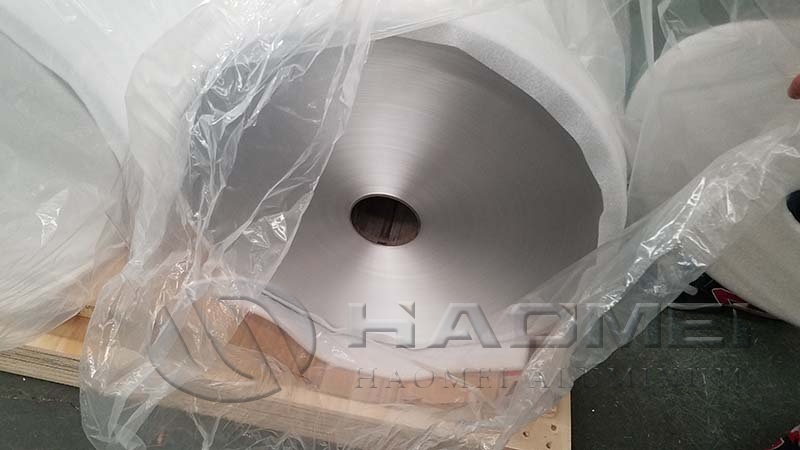
A professional roll is judged in seconds at the chair. If the foil feels too stiff, it springs back and slips. If it is too soft, it wrinkles and tears during tensioning. The most requested performance traits typically map directly to measurable production parameters.
Core performance traits and what drives them
| Salon concern | What it looks like in use | Manufacturing parameter that controls it | What to ask your supplier to provide |
|---|---|---|---|
| Easy folding, stays where placed | Clean fold line, no spring back | Alloy selection, temper, thickness | Alloy and temper, thickness tolerance report |
| Tear resistance during weaving | No edge splits, stable pull-off | Elongation, pinhole rate, edge quality | Mechanical property range, pinhole inspection method |
| Even heat transfer | Consistent lift, predictable processing | Thickness uniformity, surface condition | Gauge mapping, surface roughness notes |
| Good grip without sticking | Holds hair section, minimal slipping | Embossing pattern, surface finish | Embossing spec, finish designation |
| Clean dispensing | No telescoping, no jagged edges | Winding tension, core fit, slitting quality | Winding standard, core ID, burr control statement |
In practice, embossing is a major differentiator. Embossed patterns increase rigidity and grip while keeping the foil easy to fold. If your market expects embossed product, confirm the pattern consistency and whether the embossing is applied in-line or as a separate step.
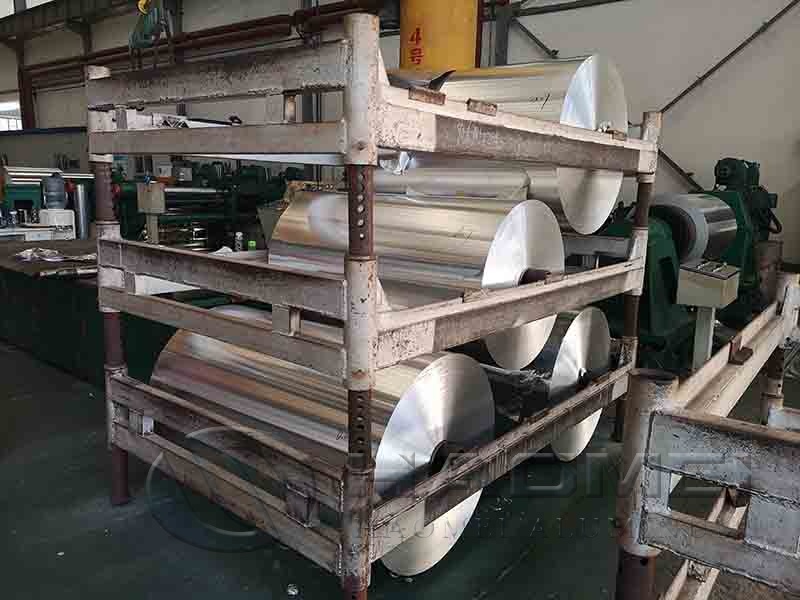
Most confusion in sourcing comes from mixing up "looks similar" with "performs the same." Two rolls can share a similar appearance but behave differently due to alloy, temper, and thickness control.
Hairdressing foil is commonly produced from aluminum alloys designed for forming and packaging applications. What matters most is that the temper supports repeated folding without cracking and provides adequate tensile strength for pull-off and tensioning.
Softer tempers generally fold more easily and conform to hair sections, but can wrinkle more.
Harder tempers dispense crisply and may feel more "snappy," but can spring back and feel less compliant.
Ask for a supplier's typical mechanical property window and the internal control method used to keep temper stable across batches.
Thickness is a primary cost driver, but it is also a performance lever.
Thinner foil lowers material cost and can improve conformability.
Thicker foil improves stiffness, tear resistance, and heat buffering.
Just as important as the nominal gauge is tolerance. Tight gauge control reduces "weak spots" that lead to tearing and reduces variability in processing performance in salons.
For salon use, surface finish and embossing are often more noticeable than alloy.
Embossed foil is widely preferred for grip and rigidity.
Smooth foil can be favored for certain dispensing systems and very clean folding.
Some products include coatings or colored finishes for branding. If coatings are involved, verify that the coating system is intended for the temperature range and chemical exposure typical of salon processes, and request supporting documentation from the coating manufacturer where applicable.
To compare surface options across broader applications and processing routes, many sourcing teams reference material families such as Special aluminum materials when aligning internal spec language with supplier capabilities.
High return rates in salon consumables often come from issues that can be prevented with upstream checks. Specify these items in your purchase documentation and ask for evidence in the shipment record.
Poor slitting creates burrs and jagged edges that snag gloves and tear during pull-off. Request confirmation of:
Burr height control or qualitative burr inspection
Edge wave limits
Slit width tolerance
Rolls that telescope waste material and cause dispensing problems. Key checks:
Winding tension consistency
Core inner diameter tolerance and core strength
End-face alignment and roll hardness targets
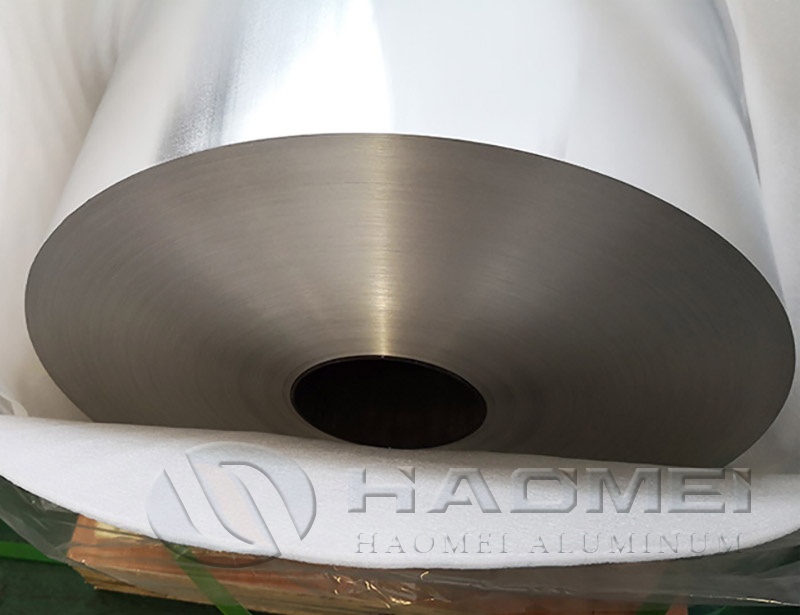
Pinhole rate and surface contamination matter because they correlate with tear initiation and inconsistent barrier performance. Even though salon use is not the same as food packaging, a disciplined pinhole and cleanliness program usually signals strong process control.
Ask your supplier how pinholes are measured, such as via backlight inspection or automated detection, and whether cleanliness is controlled to prevent black specks, oil streaks, or residue.
For distributors serving multiple salon chains or regional wholesalers, packaging details affect warehouse efficiency as much as the foil itself.
| Item | Why it matters | What to specify |
|---|---|---|
| Roll length and width | Standardizes SKU handling | Exact dimensions, allowed tolerance |
| Core type and ID | Prevents dispensing issues | Core material, ID, strength requirement |
| Carton count and pallet pattern | Optimizes storage and shipping | Units per carton, cartons per pallet |
| Label content | Reduces receiving errors | Lot number, production date, spec code |
| Traceability | Supports claims and QA | Lot-to-coil trace policy |
If you supply private label salon programs, confirm whether the factory can support consistent printing, carton artwork control, and changeover discipline. Stable packaging reduces mis-picks and helps protect search visibility in marketplaces by keeping product listings aligned with consistent specifications.
A practical incoming evaluation can be done with a short checklist that mirrors salon reality.
Fold test: fold and crease several times, check for cracking and spring back.
Dispense test: pull off multiple sheets quickly, check for edge tearing and telescoping.
Tension test: wrap around a hair substitute bundle and tug, check tear initiation.
Consistency check: compare first meter vs last meter for gauge feel and embossing uniformity.
If your organization already sources other aluminum products and wants tighter flatness, surface, or gauge mapping discipline, it can be helpful to align vendor QC language with industrial references such as Ultra Flat Aluminum Sheet for 3C Electronic Products, even if the end use differs, because the inspection mindset and control methods transfer well.
Does embossed foil always perform better. Not always. Embossing improves grip and stiffness, but some dispensers and cutting systems prefer smooth finishes. Match finish to dispenser type and stylist preference.
Is thicker always safer. Thicker improves tear resistance but increases cost and can reduce conformability for very fine sections. Consistent tolerance at a moderate gauge often performs better than an inconsistent thicker roll.
What documentation should be requested. At minimum, request a specification sheet listing alloy, temper, thickness, width, and roll length, plus a lot number system and basic inspection records for gauge and surface defects.
How do we reduce batch-to-batch variation. Lock the critical parameters in writing: temper window, thickness tolerance, embossing pattern, slitting burr control, and winding standard, then require lot traceability and retain samples for comparison.
With the development of dozens of years, we, Haomei Aluminum has solid base to provide clean aluminum material for the high-end applications including lithium-ion battery, lightweight automobile body, 3c products, aluminum brazing and other special uses.