



Phone:
+86-15978414719
Publish Time: 2026-08-05 Origin:https://www.hmaluminumsupply.com
Holiday food-tray demand rises sharply before Diwali, Thanksgiving, Christmas, and year-end catering events. For converters, the main operational risk is not demand. It is tray-forming failure: cracking at corners, uneven draw depth, surface marks, and production stoppages after a coil is already on the press.
3003 aluminum foil is frequently selected for formed food containers because manganese improves strength compared with commercially pure aluminum foil while retaining useful workability. The alloy is commonly specified where trays need more rigidity than soft household foil, especially for roasting pans, takeaway trays, bakery containers, and catering lids.
The practical holiday solution is to lock the material specification before seasonal production starts, then validate it on the actual die and press settings. Do not rely on alloy name alone.
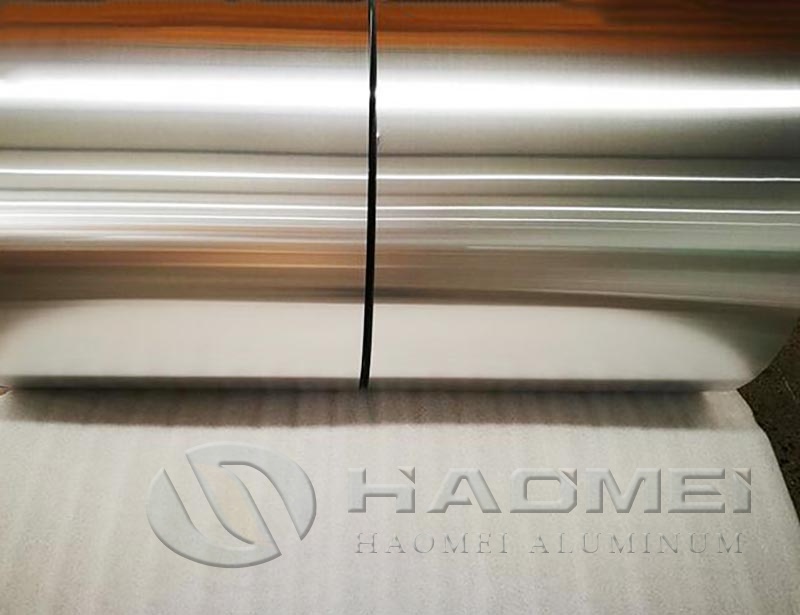
Cracks generally appear when material strength, temper, thickness, lubrication, tooling radius, and draw depth do not match. A stronger foil is not automatically a better foil. If the temper is too hard for the draw ratio, corner splits can increase. If the gauge is too light, flange stability and rim strength may fall.
For 3003 alloy, the chemical-composition limits should be verified against the standard specified in the purchase order. EN 573-3 lists the registered composition for EN AW-3003, including manganese as the principal alloying element. ASTM alloy designations and dimensional requirements should be referenced where the relevant market or customer contract requires them.
Use this pre-production checklist before confirming seasonal supply:
State the end use: shallow tray, deep-drawn pan, lid, airline meal tray, or bakery container.
Provide finished container dimensions, draw depth, corner radius, and flange design.
Define required coil width, inside diameter, outside diameter, and maximum coil weight for the press line.
Specify thickness tolerance and measurement method, not only nominal gauge.
Identify temper required for the forming trial. Do not substitute temper without approval.
Request mill test documentation for alloy and mechanical properties for each production lot.
Conduct a trial using production dies, lubricant, press speed, and stacking conditions.
Record crack rate, earing, rim flatness, and nesting performance before releasing the full schedule.
| Production issue | Likely specification gap | Action before holiday run |
|---|---|---|
| Corner cracking | Temper or draw capability not matched to die geometry | Run a forming trial and confirm temper against actual draw depth |
| Uneven tray wall | Thickness variation or inconsistent tension | Agree thickness tolerance and coil winding requirements |
| Poor stackability | Rim profile, springback, or tool wear | Measure nesting height on samples from the trial coil |
| Surface scratches | Inadequate packaging or handling | Specify interleaving, edge protection, and dry storage conditions |
| Delayed line loading | Coil size incompatible with decoiler | Confirm coil ID, OD, width, and weight limits in writing |
A request stating only "3003 foil" leaves too many variables open. Holiday orders often involve fixed launch dates, so each avoidable clarification can reduce the available qualification window.
Use the following purchase-order structure for aluminum foil food containers:
| Item | What to define | Why it matters |
|---|---|---|
| Alloy | 3003, with applicable standard | Prevents unintended substitution |
| Temper | Required temper or approved forming range | Controls strength and elongation balance |
| Thickness | Nominal value plus tolerance | Influences drawability, rigidity, and metal yield |
| Width | Slitting width plus tolerance | Prevents feed and trim problems |
| Surface | Mill finish, one-side bright if needed, cleanliness standard | Supports appearance and downstream coating or lacquering |
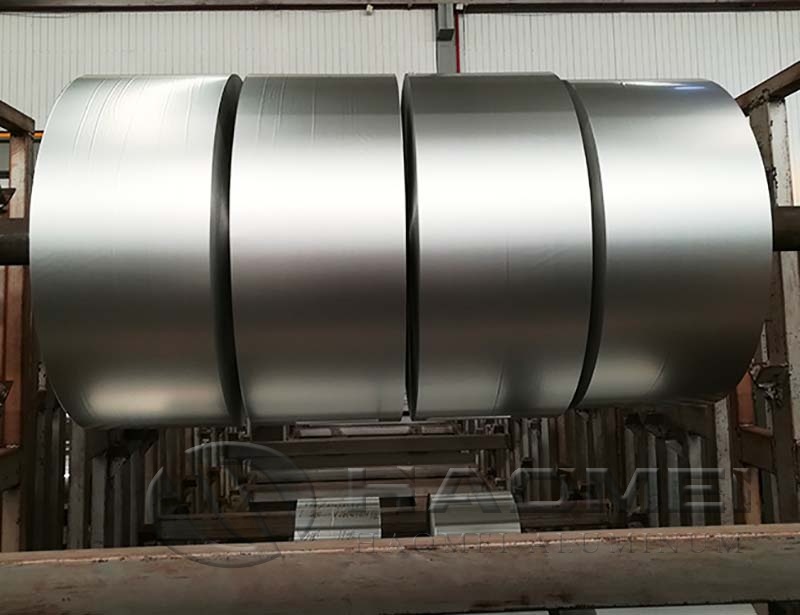
| Coil configuration | ID, OD, weight, winding direction | Ensures compatibility with line equipment |
| Inspection | Certificate, dimensional checks, visual criteria | Creates a clear release standard |
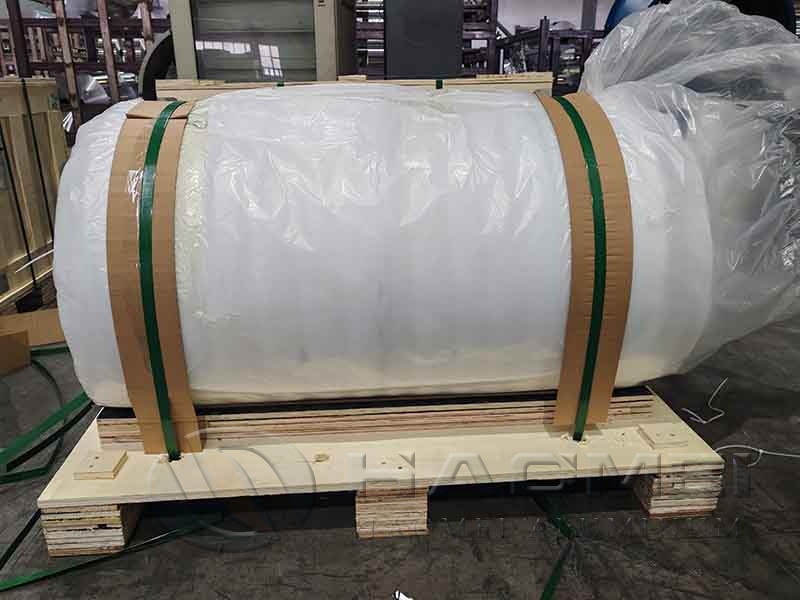
| Packaging | Export wrapping, pallet method, moisture protection | Limits corrosion and edge damage in transit |
For food-contact applications, alloy selection is only one part of compliance. The finished container, coatings, inks, adhesives, processing conditions, and intended food type must be assessed together. In the United States, food-contact materials are regulated under the Federal Food, Drug, and Cosmetic Act and applicable FDA regulations. In the European Union, Framework Regulation (EC) No 1935/2004 applies to materials intended to contact food, while Regulation (EC) No 2023/2006 covers good manufacturing practice.
Ask for documentation that matches the destination market and the finished-product design. A raw foil certificate does not, by itself, establish compliance for a printed, lacquered, or laminated tray.
For November and December campaigns, the critical date is the date when the converted tray passes forming and food-contact validation, not the date when the coil quote is issued. Work backward from the retailer or food-service delivery date.
A workable sequence is:
Freeze tray dimensions and target annual or seasonal volume.
Approve a written foil specification and commercial terms.
Receive a representative coil or sheets for die trials.
Approve the trial report, including forming yield and nesting checks.
Release production with agreed inspection and packaging requirements.
Reserve freight time, customs clearance allowance, and buffer inventory before the holiday shipping peak.
Price comparisons should use delivered usable metal, not coil price alone. Calculate the cost per accepted tray after trim loss, crack rejects, press downtime, freight, and packaging damage. A lower-priced coil can become more expensive if it produces unstable forming results during a short seasonal window.
When requesting an offer, include alloy, temper, dimensions, estimated tonnage, destination port or delivery point, required documents, packaging, and requested arrival date. This gives suppliers enough information to quote a comparable package and lets production teams evaluate whether 3003 material can meet the planned holiday tray geometry without risking late-season rework.
With the development of dozens of years, we, Haomei Aluminum has solid base to provide clean aluminum material for the high-end applications including lithium-ion battery, lightweight automobile body, 3c products, aluminum brazing and other special uses.