



Phone:
+86-15978414719
Publish Time: 2026-06-04 Origin:https://www.hmaluminumsupply.com
Holiday retail programs reward materials that look premium, ship safely, and install fast. For July 4 campaigns, summer resort displays, back-to-school launches, Halloween fixtures, and year-end decorations, polished aluminum sheet can replace heavier decorative panels while keeping a clean metallic surface.
The main concern for volume users is surface consistency. A bright panel that arrives scratched, wavy, or mixed in tone can delay store rollout, increase rework, and weaken brand presentation. This article focuses on one feature: a controlled mirror-polished surface protected for fabrication and transport.
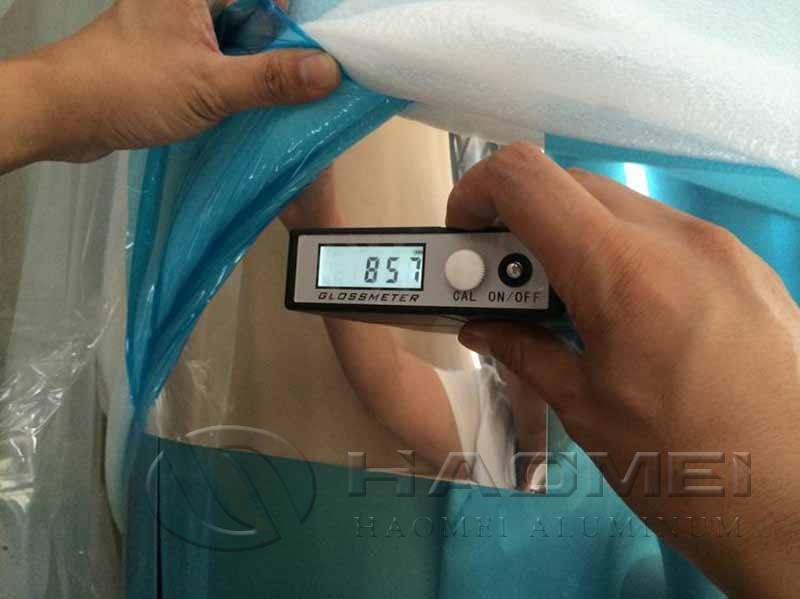
Holiday campaigns are time-sensitive. Displays, ceiling features, gift-zone backboards, mall kiosks, appliance trims, cosmetic counters, and event signage often need a reflective material that is easier to cut and bend than stainless steel.
Polished aluminum helps solve three common seasonal problems:
Recommended holiday uses include:
For internal material planning, pair aluminum mirror sheet with compatible profiles, adhesives, and edge trims before confirming the final display structure.
Use this checklist when specifying polished aluminum for holiday production. It keeps the order measurable and reduces dispute risk.
| Item to confirm | Practical requirement | Why it matters for holiday runs |
|---|---|---|
| Alloy | Common options include 1050, 1060, 1070, 3003, 5005, or 5052, subject to forming needs | Soft alloys polish well; magnesium-bearing alloys may improve strength |
| Temper | O, H14, H24, or as required | Affects bending, stamping, and flatness |
| Thickness | Confirm nominal thickness and tolerance under ASTM B209 or EN 485 where applicable | Prevents fit problems in frames and grooves |
| Surface finish | Mirror polished, bright polished, brushed-polished, or anodized mirror | Controls appearance under store lighting |
| Protective film | PE or PVC film, laser-safe if needed | Helps prevent scratches during CNC cutting and bending |
| Grain or reflection direction | Same direction for all panels in one display set | Avoids tone mismatch across large walls |
| Packaging | Paper interleaving, pallet protection, moisture control | Reduces rub marks and water staining |
| Compliance documents | Mill test certificate, RoHS or REACH declarations if relevant | Supports regulated retail, lighting, and electronics programs |
Standards should be interpreted correctly. ASTM B209 covers aluminum and aluminum-alloy sheet and plate dimensional requirements in the U.S. market. EN 485 is widely used in Europe for aluminum sheet, strip, and plate. These standards do not automatically guarantee a mirror surface; reflectivity, gloss, film type, and scratch acceptance should be written into the purchase specification.
The right material depends on appearance, fabrication, and budget control. The table below compares common options for retail and event production.
| Material | Strengths | Limits | Best holiday use |
|---|---|---|---|
| Polished aluminum sheet | Lightweight, bright, corrosion-resistant, easy to cut | Softer than stainless steel; needs film protection | Signage, wall panels, display trim, ceiling decor |
| Stainless steel mirror sheet | Hard surface, premium feel, strong abrasion resistance | Heavier, often higher fabrication cost | Luxury counters, high-touch zones |
| Acrylic mirror sheet | Very light, easy to shape | Can scratch, may warp with heat | Temporary indoor decorations |
| Silver laminate board | Low cost, quick installation | Shorter service life, less durable edges | Short-term promotional backdrops |
| Chrome-plated plastic | Molded shapes, low weight | Tooling cost, plating limits | Small decorative parts |
For repeatable seasonal programs, mirror finish aluminum sheet offers a practical balance between premium appearance and workshop efficiency. It can be sheared, punched, laser cut, routed, bent, or laminated to composite panels, depending on alloy and thickness.
A clear specification reduces sampling cycles. Use these steps before releasing a holiday order.
State whether the application needs mirror polish, bright polish, hairline-polished reflection, or anodized mirror. Include sample approval under the same lighting used in stores or exhibition halls.
For decorative panels and general forming, 1050 and 1060 are common due to good workability and surface quality. For applications needing higher strength, 3003, 5005, or 5052 may be considered after confirming polish quality and bend radius.
Thin sheets reduce weight but may show waviness on large reflective panels. Thicker sheets improve rigidity but add cost and handling load. If the sheet will be bonded to MDF, honeycomb, or aluminum composite backing, test flatness after lamination.
Protective film should stay attached during cutting but peel cleanly after installation. For laser cutting, ask whether the film is suitable for laser processing. Unsuitable film can leave residue, smoke marks, or edge contamination.
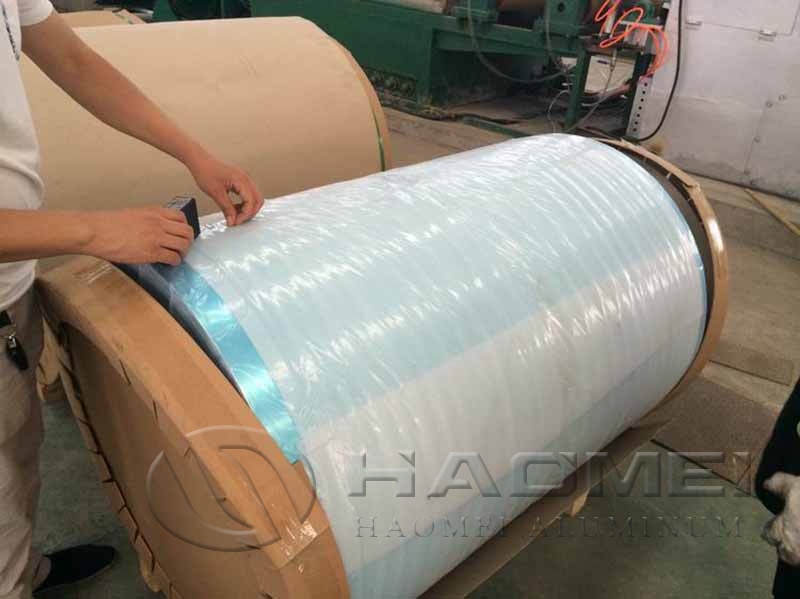
For export or long-distance inland transport, request moisture-resistant wrapping, reinforced pallets, corner protection, and clear stacking limits. Water staining is a known risk for aluminum surfaces when condensation is trapped between sheets.
For U.S. Independence Day and summer retail campaigns, fabrication teams often need material in hand several weeks before store installation. For Halloween and Christmas, reserve production capacity earlier because signage, packaging, lighting, and fixture suppliers compete for similar cutting and coating schedules.
Inspect quickly after delivery so any issue can be handled before cutting starts.
| Check | Method | Accept or reject focus |
|---|---|---|
| Surface scratches | Inspect under angled light before removing all film | Deep marks visible after installation are not acceptable |
| Color and gloss consistency | Compare sheets from the same pallet and batch | Mixed tone can ruin wide display walls |
| Flatness | Place on a flat inspection table | Waves may distort reflection |
| Thickness | Use calibrated micrometer | Must match drawing tolerance |
| Film adhesion | Peel a small corner | Film should not fall off or leave residue |
| Edge condition | Review burrs, dents, and corner crush | Damaged edges increase waste |
Document photos, pallet labels, heat numbers, and packing condition before fabrication. For regulated projects, keep mill test certificates and chemical composition records with the job file.
Aluminum pricing is commonly influenced by the London Metal Exchange aluminum price, regional premiums, conversion costs, alloy, finish, coating, packaging, and freight. Because exchange-traded aluminum prices move daily, request quotes with a clear validity period and pricing basis rather than relying on outdated market numbers.
Useful order details to provide:
For manufacturers handling aluminum sheet, aluminum coil, strip, foil, or circles, the same planning logic applies: define the visible finish, protect the surface, verify standards, and schedule delivery before seasonal fabrication capacity tightens.
A polished aluminum program is most successful when the surface is treated as a controlled specification, not a decorative afterthought. With the right alloy, film, packaging, and inspection plan, reflective aluminum becomes a dependable holiday material for displays, signage, fixtures, and promotional equipment.
With the development of dozens of years, we, Haomei Aluminum has solid base to provide clean aluminum material for the high-end applications including lithium-ion battery, lightweight automobile body, 3c products, aluminum brazing and other special uses.